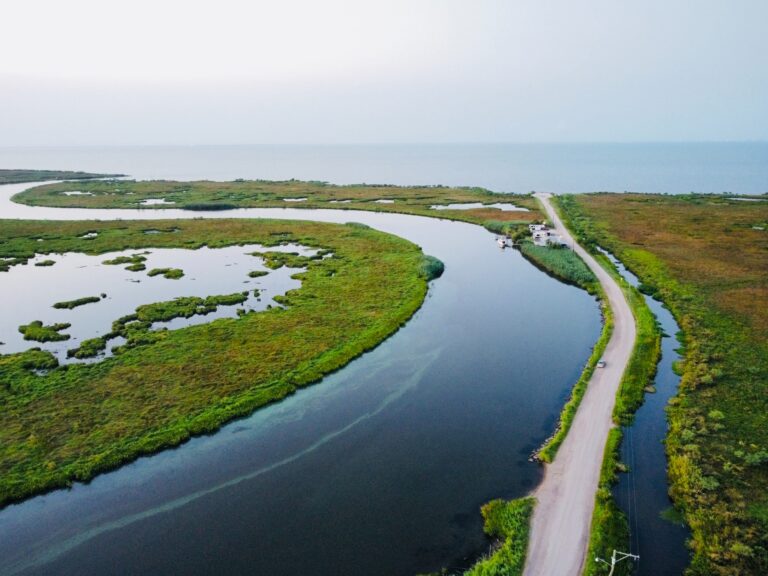
India is a land of diverse landscapes, rich history, and cultural significance. Among its natural wonders, rivers have always held a special place. Not only do they support life and biodiversity, but they also bear testament to the rise and fall of ancient civilizations and continue to play a pivotal role in the socio-economic growth of the country. In this blog post on Digistudylab.in, we’ll delve deep into the largest rivers in India, tracing their origins, course, and significance.
1. Ganges River (Ganga):
- Origin: The Gangotri Glacier in the state of Uttarakhand.
- Length: Approximately 2,525 kilometers.
- Significance: The Ganges is revered as the holiest river by Hindus. It’s not just a water body but a divine entity that holds immense spiritual significance. Many famous cities like Varanasi, Allahabad (Prayagraj), and Patna lie along its banks.
2. Brahmaputra River:
- Origin: The Mansarovar Lake in Tibet.
- Length: About 2,900 kilometers (of which 916 km is in India).
- Significance: Known for its fierce tides and flood-prone nature, Brahmaputra is a lifeline for the northeastern states of India. It’s one of the few male-named rivers in India and plays a crucial role in the region’s agriculture and fisheries.
3. Yamuna River:
- Origin: Yamunotri Glacier in Uttarakhand.
- Length: Approximately 1,376 kilometers.
- Significance: A major tributary of the Ganges, Yamuna holds religious significance, especially in the cities of Mathura and Vrindavan, known for their links to the Hindu deity, Krishna.
4. Godavari River:
- Origin: Trimbakeshwar in Maharashtra.
- Length: Around 1,465 kilometers.
- Significance: Often referred to as the ‘Dakshina Ganga’ or the Ganges of the South, Godavari is a vital water source for central and south India, supporting agriculture and everyday life.
5. Krishna River:
- Origin: Mahabaleshwar in the Western Ghats of Maharashtra.
- Length: About 1,400 kilometers.
- Significance: The river is crucial for irrigation in Maharashtra, Karnataka, and Andhra Pradesh. Its delta region is one of the most fertile regions in India.
6. Narmada River:
- Origin: Amarkantak Plateau in Madhya Pradesh.
- Length: Roughly 1,312 kilometers.
- Significance: Flowing through the rift valley between the Vindhya and Satpura ranges, Narmada is revered for its spiritual importance and is also home to the world-famous Marble Rocks at Bhedaghat.
7. Mahanadi River:
- Origin: Sihawa in the Dhamtari district of Chhattisgarh.
- Length: Approximately 860 kilometers.
- Significance: The word ‘Mahanadi’ means ‘Great River’. True to its name, it plays a pivotal role in the agricultural activities of Chhattisgarh and Odisha. The Hirakud Dam built on this river is one of the longest earthen dams in the world.
8. Kaveri (Cauvery) River:
- Origin: Talakaveri in the Brahmagiri hills of Karnataka.
- Length: About 805 kilometers.
- Significance: Often referred to as the ‘Ganges of the South’, the Kaveri is crucial for the agricultural activities in both Karnataka and Tamil Nadu. The river has been at the center of water disputes between these states, highlighting its importance in the regional water economy.
9. Tapti (Tapi) River:
- Origin: Multai in the Betul district of Madhya Pradesh.
- Length: Roughly 724 kilometers.
- Significance: Flowing parallel to Narmada but much south to it, the Tapti traverses through the central states and meets the Arabian Sea in the Gulf of Khambhat. Surat, a major city in Gujarat, lies on the banks of this river.
10. Sutlej River:
- Origin: Rakshastal Lake in Tibet.
- Length: About 1,500 kilometers (of which 400 km is in India).
- Significance: The Sutlej is the easternmost tributary of the Indus River. The Bhakra Dam, one of the highest gravity dams in the world, is built on this river, serving multiple purposes from irrigation to hydroelectric power generation.
The Unifying Role of Rivers in India
Rivers have always played a monumental role in unifying the vast expanse of India. They are celebrated in legends, myths, and religious rituals, emphasizing their deep-rooted presence in the psyche of the Indian populace. Not just sources of water, they serve as hubs of culture, centers of pilgrimage, and, most importantly, as the pulsating veins that have nurtured civilizations for millennia.
In an era defined by technology and urbanization, the rivers remind us of our roots, our bond with nature, and the importance of sustainable living. As we strive for development, it is paramount to ensure the conservation and health of these rivers that have generously given so much to us.
Conclusion:
Rivers in India are not just water bodies; they are intricately woven into the tapestry of Indian culture, tradition, and livelihood. Their significance spans far beyond geographical boundaries, enriching lives, and nurturing ecosystems. At Digistudylab.in, we believe in embracing knowledge that not only educates but also inspires. Stay tuned for more enriching content, and remember to dive deep, just like the rivers!
Hope this addition completes the list of major rivers in India. For more insights and comprehensive details, keep exploring Digistudylab.in. Your trusted portal for in-depth knowledge.
Discover Your Next Adventure: Books You May Like, Buy Now!