Introduction
Welcome to Digi Study Lab.in, where we embark on a journey to explore the wonders of nature and its impact on our well-being. In today’s spotlight, we delve into the world of olives, a nutritional powerhouse that not only tantalizes our taste buds but also provides a myriad of health benefits. Join us as we uncover the secrets behind this small but mighty fruit.
The Mediterranean Gem
Olive, scientifically known as Olea europaea, has been a staple in Mediterranean cuisine for centuries. Its rich history and versatility make it a culinary delight, but what sets it apart is its exceptional nutritional profile.
- Heart Health Booster: One of the standout benefits of olives is their positive impact on heart health. Packed with monounsaturated fats, they help reduce bad cholesterol levels and promote a healthy heart. The presence of antioxidants, such as polyphenols, further contributes to cardiovascular well-being.
- Antioxidant Powerhouse: Olive’s impressive antioxidant content plays a crucial role in neutralizing free radicals, which are harmful molecules that can damage cells and contribute to various diseases. Regular consumption of olives may help combat oxidative stress and support overall health.
- Anti-Inflammatory Properties: Inflammation is a natural response by the body, but chronic inflammation can lead to various health issues. Olives contain compounds like oleocanthal, which exhibit anti-inflammatory properties, potentially aiding in the prevention of inflammatory diseases.
- Weight Management Ally: Contrary to popular belief, the healthy fats in olives can actually support weight management. The monounsaturated fats promote a feeling of satiety, reducing the likelihood of overeating. Additionally, the fiber content aids digestion and helps maintain a healthy weight.
- Rich in Essential Nutrients: Olive is not only about healthy fats; it’s a nutrient powerhouse. Packed with vitamins E and K, along with minerals like iron and calcium, olives contribute to overall well-being and support various bodily functions.
Incorporating Olives into Your Diet
Now that we’ve explored the health benefits, let’s discuss practical ways to include olives in your diet. Whether tossed in salads, paired with cheeses, or used as a flavorful topping on pizzas, the options are endless. Experimenting with olive oil in cooking is another excellent way to enjoy its benefits.
Conclusion
As we conclude our exploration of the health benefits of olives, it’s clear that this small fruit has a big impact on our well-being. From heart health to weight management, olives offer a range of benefits that make them a valuable addition to a healthy diet. So, why not savor the goodness of olives and embark on a journey to a healthier, more vibrant you?
At Digi Study Lab.in, we’re committed to bringing you insightful content that enriches your understanding of the world around you. Stay tuned for more explorations into the fascinating realms of nature and nutrition.
Olive Varieties: A Spectrum of Flavor and Health
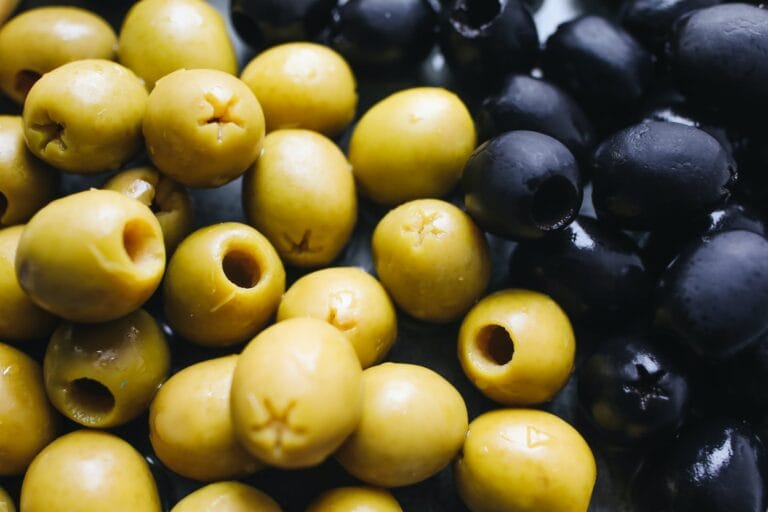
Diving deeper into the olive universe, it’s crucial to acknowledge the diversity within this fruit. There are various olive varieties, each offering a unique flavor profile and specific health benefits. From the buttery texture of Kalamata olives to the slightly bitter notes of green olives, exploring different varieties allows you to tailor your olive experience to your taste preferences.
Kalamata Olives:
Known for their distinct almond shape and deep purple hue, Kalamata olives are rich in polyphenols and vitamin E. These antioxidants contribute to the prevention of chronic diseases and support skin health. Incorporate Kalamata olives into your salads or enjoy them as a standalone snack for a burst of flavor and nutrition.
Green Olives:
Green olives, harvested before ripening, have a firmer texture and a slightly more bitter taste compared to their ripe counterparts. They are a good source of monounsaturated fats, which aid in reducing inflammation and supporting heart health. Try adding green olives to pasta dishes, pizzas, or tapenades for an extra kick.
Castelvetrano Olives:
If you prefer a milder flavor, Castelvetrano olives are an excellent choice. These bright green olives are prized for their sweetness and low bitterness. With a high monounsaturated fat content, they offer the same heart-healthy benefits as other varieties. Snack on them alone or use them to elevate your appetizer platters.
The Role of Olive Oil in Culinary Delights
While discussing olives, it’s impossible to ignore the liquid gold derived from them – olive oil. This versatile oil is not just a kitchen essential; it also boasts a range of health benefits.
Extra Virgin Olive Oil (EVOO):
The purest form of olive oil, extra virgin olive oil, retains the highest levels of antioxidants and monounsaturated fats. Studies suggest that the consumption of EVOO may lower the risk of chronic diseases, including cardiovascular issues and certain cancers. Use it as a salad dressing, dip, or drizzle it over roasted vegetables for a delightful and health-conscious culinary experience.
Cooking with Olive Oil:
In addition to its health benefits, olive oil’s high smoke point makes it a suitable choice for various cooking methods, from sautéing to roasting. Replace less healthy cooking oils with olive oil to add a dose of goodness to your meals without compromising on flavor.
The Bottom Line: Embracing Olive for a Healthier You
As we wrap up our journey into the realm of olives, it’s evident that these small fruits offer a multitude of health benefits and culinary delights. Whether you savor them in their whole form or incorporate olive oil into your cooking, the nutritional value they bring to the table is undeniable.
At Digi Study Lab.in, our commitment to holistic well-being extends beyond the digital realm. We encourage you to embrace the richness of nature, explore the nutritional wonders it offers, and make informed choices that contribute to a healthier and happier life. Stay tuned for more insightful content as we continue to unravel the secrets of a balanced and fulfilling lifestyle.
Nutrition Facts: Unveiling the Power Within
Let’s break down the nutritional powerhouse that is olives, showcasing the individual components that contribute to their health benefits.
Vitamins: A & E for Radiant Health
Vitamin A: Olive’s vibrant colors hint at its vitamin A content, promoting healthy vision and supporting immune function. This essential vitamin also contributes to skin health, assisting in the renewal of cells and maintaining a youthful complexion.
Vitamin E: Known for its antioxidant properties, vitamin E in olives protects cells from oxidative stress, reducing the risk of chronic diseases. It plays a crucial role in skin health, promoting a radiant glow and aiding in the repair of damaged tissues.
Minerals: Building Blocks for a Strong Foundation
Iron: Olives boast an iron content that contributes to the formation of hemoglobin, supporting oxygen transportation throughout the body. Adequate iron levels ensure optimal energy levels and prevent conditions like anemia.
Calcium: Beyond its role in bone health, the calcium in olives plays a part in muscle function, blood clotting, and nerve transmission. Incorporating olives into your diet contributes to overall skeletal and physiological well-being.
Carbs: Fueling Your Energy
Olives are a low-carb food, making them suitable for those following low-carbohydrate diets. The carbohydrates they contain are primarily in the form of fiber, contributing to a steady release of energy and aiding in digestive health.
Calories: Nourishment Without Excess
With their rich nutritional profile, olives offer a moderate calorie content. This makes them a satisfying and nutritious snack, allowing you to indulge without compromising your caloric intake.
Protein: Supporting Muscle Health
While olives are not a significant source of protein, they do provide a small amount. Protein is essential for muscle repair and growth, making olives a valuable addition to a balanced diet that includes other protein-rich foods.
Fiber: Digestive Harmony
Dietary Fiber: The fiber content in olives supports digestive health by promoting regular bowel movements and preventing constipation. It also contributes to a feeling of fullness, aiding in weight management.
Incorporating olives into your daily meals not only introduces a burst of flavor but also provides a diverse array of essential nutrients. Whether you enjoy them as a snack, in salads, or as a flavorful topping, olives contribute to a well-rounded and health-conscious diet.
As you continue your educational journey with Digi Study Lab.in, stay tuned for more in-depth explorations into the nutritional wonders that nature has to offer. We’re dedicated to empowering you with knowledge that enhances your well-being and fosters a deeper connection with the world around you.