Introduction: Why Reducing Plastic Matters
Plastic pollution poses a significant threat to ecosystems, wildlife, and human health. From oceans littered with plastic waste to microplastics entering the food chain, the impact is far-reaching. Every year, millions of marine animals suffer from plastic ingestion or entanglement, and plastic debris often disrupts natural habitats. Beyond the environment, microplastics have been found in drinking water, seafood, and even the air we breathe, raising concerns about potential health risks.
By adopting a plastic-free lifestyle, individuals can play a critical role in reducing plastic pollution and promoting sustainable practices. On Digistudylab.in, we guide you through simple yet effective steps to minimize plastic use in daily life.
This comprehensive guide provides actionable tips to help you transition away from plastic dependence, making sustainable choices for a cleaner and healthier planet. With consistent effort, you can drastically reduce plastic waste in your home, workplace, and community.
1. Conduct a Plastic Use Audit
Start by evaluating how much plastic you use on a daily or weekly basis. Awareness is the first step toward making informed decisions about reducing plastic waste.
Steps for a Plastic Audit:
- Collect and categorize all plastic waste for one to two weeks.
- Separate items into categories such as food packaging, toiletries, and disposable utensils.
- Identify common items like plastic wrap, bottles, and utensils that could be replaced with sustainable alternatives.
- Calculate the percentage of your total waste that is plastic to highlight areas of improvement.
Understanding your plastic consumption helps prioritize which items to phase out first. Keeping track of your progress with periodic audits ensures continuous improvement.
2. Switch to Reusable Alternatives
Replacing single-use plastic items with reusable alternatives is a cornerstone of plastic-free living. This small yet significant change can drastically reduce daily plastic waste.
Reusable Items to Consider:
- Stainless steel or glass water bottles
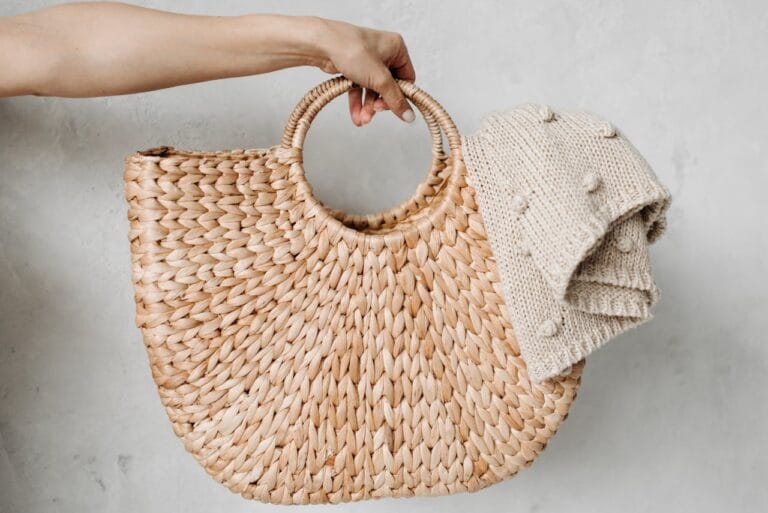
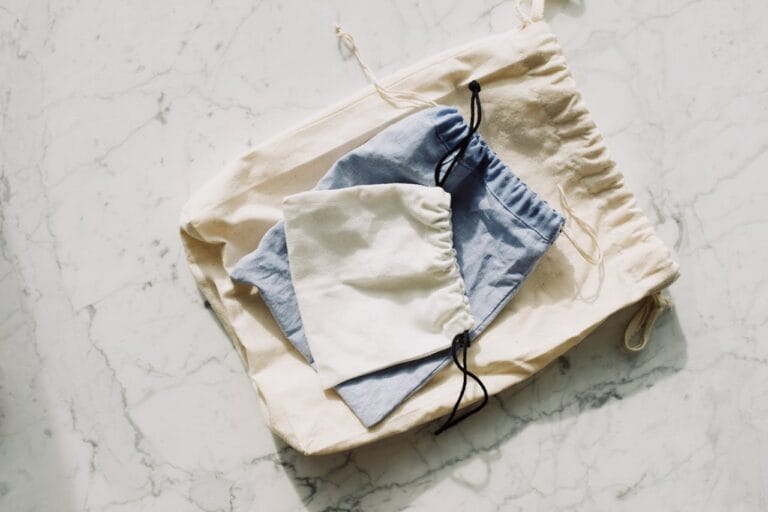
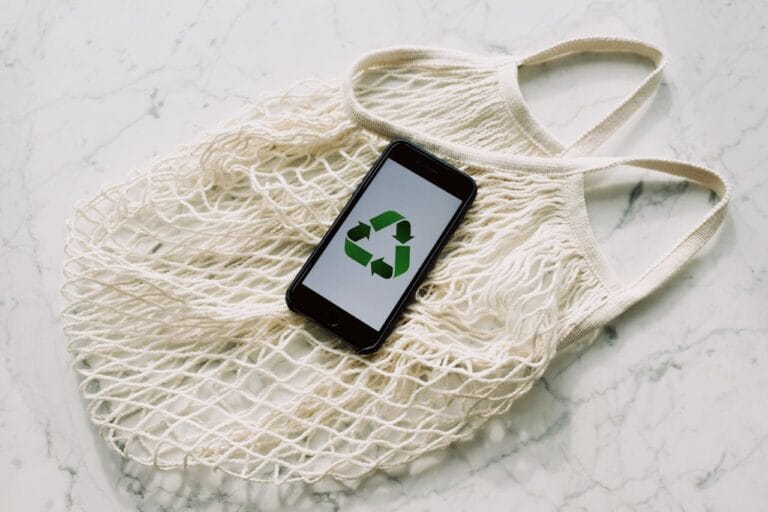
- Cloth shopping bags, produce sacks, and reusable mesh bags
- Metal straws, bamboo utensils, and collapsible cups
- Glass, silicone, or stainless steel food storage containers
Carrying reusable items reduces the need for disposable plastics during everyday activities. Many stores now offer discounts for customers who bring their own containers or cups, providing additional incentives to switch to reusable alternatives.
3. Eliminate Single-Use Plastics
Single-use plastics, such as straws, cups, and cutlery, are among the most common sources of waste. Despite their convenience, these items often end up in landfills or oceans.
Ways to Eliminate Single-Use Plastics:
- Refuse plastic straws and opt for paper, metal, or silicone ones.
- Carry your own reusable coffee cup and utensils wherever you go.
- Choose ice cream cones instead of cups with plastic spoons.
- Use beeswax wraps instead of cling film for food storage.
Simple swaps in routine purchases contribute to significant reductions in plastic waste. Replacing disposable plates and cutlery with biodegradable or reusable options for parties and events also makes a substantial impact.
4. Opt for Plastic-Free Packaging
Packaging contributes a substantial amount to plastic waste. Choose products that use minimal or sustainable packaging to further your plastic-free lifestyle.
Packaging Alternatives:
- Buy products wrapped in paper, glass, or cardboard.
- Choose brands that use biodegradable or compostable materials.
- Support stores that allow bulk purchases with your own containers.
- Purchase fresh produce from farmers’ markets, where plastic packaging is minimal.
Plastic-free packaging promotes a circular economy by reducing non-recyclable waste and encouraging sustainable production practices.
5. Buy in Bulk and Bring Your Own Containers
Bulk shopping reduces plastic packaging waste and allows you to control portion sizes, cutting down on both waste and cost.
Tips for Bulk Shopping:
- Bring reusable jars and containers to refill grains, nuts, and spices.
- Visit farmers’ markets, co-ops, or zero-waste stores.
- Choose refills for products like soap, shampoo, and detergents.
- Store pantry staples in glass or metal containers for longer shelf life.
Buying in bulk reduces waste and often saves money. Many stores provide discounts for bulk purchases, making sustainable choices more affordable.
6. Support Plastic-Free Brands
Choosing to buy from plastic-free brands drives demand for sustainable alternatives and encourages more companies to adopt eco-friendly practices.
How to Support Plastic-Free Brands:
- Research companies that prioritize plastic-free packaging.
- Choose products made from natural materials, such as bamboo or glass.
- Support start-ups and local businesses offering innovative plastic-free solutions.
- Share plastic-free brands with friends and family to promote sustainable practices.
Supporting plastic-free brands contributes to market growth for environmentally conscious products.
7. DIY Cleaning and Personal Care Products
Creating your own cleaning and personal care products eliminates the need for plastic packaging and harmful chemicals.
DIY Ideas:
- Make all-purpose cleaners using vinegar and baking soda.
- Use coconut oil and essential oils for homemade skincare.
- Create toothpaste and deodorant from simple, natural ingredients.
- Store DIY products in reusable glass jars.
Homemade products reduce plastic waste and allow you to control the ingredients used in daily essentials.
8. Educate and Involve Your Community
Spreading awareness and involving others amplifies the impact of your plastic-free journey.
Ways to Educate and Involve Your Community:
- Host workshops on plastic-free living.
- Start a social media campaign promoting plastic alternatives.
- Organize clean-up drives and sustainability events.
- Partner with schools and community centers to promote awareness.
Community-driven efforts inspire collective action and long-term change.
9. Join Plastic-Free Initiatives
Participating in global or local initiatives aligns you with larger efforts to combat plastic pollution.
Initiatives to Consider:
- Join the Plastic-Free July movement.
- Participate in local zero-waste communities.
- Volunteer with organizations focused on reducing plastic waste.
- Support policies that limit single-use plastics in your area.
Joining initiatives creates momentum and fosters a sense of shared responsibility.
10. Track and Celebrate Progress
Tracking your plastic reduction efforts helps maintain motivation and highlights your impact over time.
Ways to Track and Celebrate Progress:
- Keep a journal of plastic items eliminated from your lifestyle.
- Share milestones on social media.
- Celebrate by treating yourself to a plastic-free product or experience.
- Reflect on personal growth and inspire others to join the movement.
Celebrating progress reinforces positive habits and motivates continuous improvement.
Conclusion
Creating a plastic-free lifestyle doesn’t happen overnight, but each step you take brings you closer to reducing plastic waste. By conducting audits, switching to reusable alternatives, and supporting plastic-free brands, you actively participate in building a more sustainable world. Visit Digistudylab.in for more tips on leading an eco-conscious lifestyle.