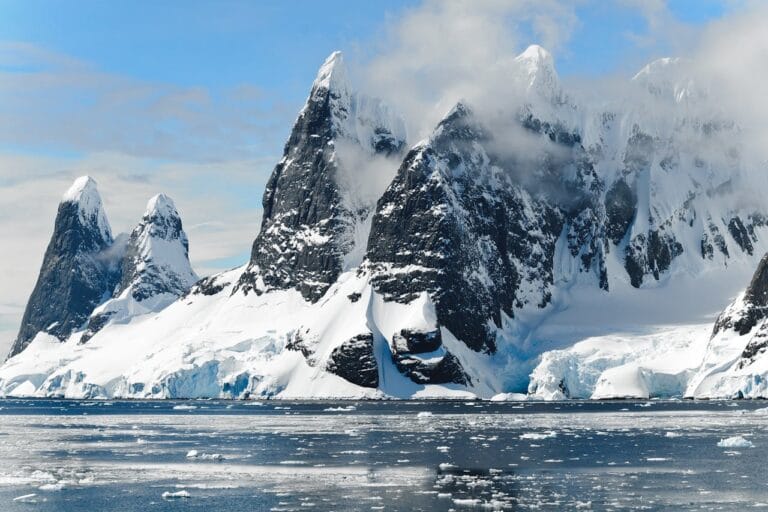
Climate change is a defining issue of our time, with far-reaching impacts on ecosystems, sea levels, and global weather patterns. Recent advancements in climate science have unveiled alarming new predictions about the ice melt in Antarctica, revealing that it could be occurring at a much faster rate than previously anticipated. This blog post delves into the latest models predicting accelerated ice melt in Antarctica, explores the potential consequences, and discusses the broader implications for our planet.
Understanding the New Predictions
Recent climate models have provided new insights into the rate of ice melt in Antarctica, indicating that the continent’s ice sheets are shrinking more rapidly than earlier estimates suggested. These models incorporate advanced satellite data, refined simulation techniques, and enhanced understanding of ice dynamics. Key findings include:
- Accelerated Ice Loss: New models predict that Antarctica’s ice loss could be accelerating significantly. This is attributed to a combination of factors, including rising global temperatures, ocean warming, and changes in ice shelf stability. The Antarctic ice sheet, which holds the majority of the world’s fresh water, is experiencing unprecedented rates of melt.
- Increased Ice Sheet Disintegration: The models suggest that the disintegration of ice shelves, which act as barriers to the flow of ice from the continent into the ocean, is occurring at an accelerated pace. As these ice shelves collapse, they allow more ice to flow into the sea, contributing to higher rates of ice loss.
- Impact of Ocean Currents: Ocean currents and temperatures play a crucial role in ice melt dynamics. Recent predictions indicate that warmer ocean waters are reaching the base of ice shelves, leading to increased melting and weakening of these structures. This process is further accelerating ice loss from the continent.
- Feedback Mechanisms: The models highlight several feedback mechanisms that exacerbate ice melt. For instance, as ice melts, it exposes darker surfaces that absorb more heat, further accelerating the melting process. Additionally, the release of freshwater from melting ice can disrupt ocean circulation patterns, leading to additional warming and ice loss.
Potential Consequences of Accelerated Ice Melt
The accelerated ice melt in Antarctica carries significant implications for global sea levels, climate patterns, and ecosystems. Some of the key consequences include:
- Rising Sea Levels: The most direct impact of accelerated ice melt is the rise in global sea levels. As Antarctica’s ice sheets contribute more freshwater to the oceans, sea levels are expected to rise at an accelerated rate. This poses a threat to coastal communities and ecosystems, increasing the risk of flooding, erosion, and habitat loss.
- Changes in Ocean Circulation: The influx of freshwater from melting ice can disrupt global ocean circulation patterns. These changes can affect climate systems, alter weather patterns, and impact marine life. Ocean currents play a crucial role in regulating temperature and nutrient distribution, and disruptions can have far-reaching effects on ecosystems.
- Impact on Marine Ecosystems: The melting of Antarctic ice can influence marine ecosystems, including the distribution and abundance of species. Changes in sea ice extent and the introduction of freshwater can impact nutrient availability, food webs, and the health of marine organisms.
- Feedback Loops and Future Projections: The accelerated ice melt may trigger feedback loops that further amplify the effects of climate change. For example, as ice melt contributes to rising temperatures, it can lead to additional ice loss and further climate disruption. Understanding these feedback mechanisms is crucial for predicting future climate scenarios and developing effective mitigation strategies.
Implications for Climate Policy and Action
The new predictions about accelerated ice melt in Antarctica underscore the urgency of addressing climate change and implementing effective policies. Some key considerations include:
- Strengthening Climate Commitments: The accelerated ice melt highlights the need for strengthened climate commitments and ambitious targets to reduce greenhouse gas emissions. International agreements, such as the Paris Agreement, play a critical role in driving global efforts to mitigate climate change and limit temperature rise.
- Investing in Climate Research: Continued investment in climate research is essential for improving our understanding of ice dynamics and predicting future changes. Advancing climate models, enhancing observational networks, and conducting field research contribute to more accurate predictions and informed decision-making.
- Enhancing Coastal Resilience: As sea levels rise, coastal communities must enhance their resilience to flooding and erosion. This includes investing in infrastructure improvements, implementing coastal protection measures, and developing adaptation strategies to safeguard vulnerable areas.
- Promoting Global Cooperation: Addressing the impacts of accelerated ice melt requires global cooperation and coordinated efforts. Sharing data, expertise, and resources among countries and organizations is essential for effective climate action and adaptation.
Looking Ahead: Future Research and Solutions
As we move forward, several areas of research and action will be crucial for addressing the challenges posed by accelerated ice melt in Antarctica:
- Improved Ice Melt Models: Continued development of ice melt models will enhance our ability to predict future changes and assess their impacts. Incorporating new data, refining simulation techniques, and understanding complex interactions will contribute to more accurate projections.
- Monitoring and Observation: Enhancing monitoring and observation efforts, including satellite missions and field studies, will provide valuable data on ice dynamics and environmental changes. This information is vital for tracking trends, assessing risks, and informing policy decisions.
- Mitigation and Adaptation Strategies: Developing and implementing effective mitigation and adaptation strategies will be essential for managing the impacts of accelerated ice melt. This includes reducing greenhouse gas emissions, protecting coastal areas, and investing in resilient infrastructure.
- Public Awareness and Engagement: Raising public awareness about the impacts of climate change and the importance of addressing ice melt is crucial for fostering collective action. Engaging communities, policymakers, and stakeholders in climate discussions and initiatives can drive positive change.
Conclusion
The new models predicting accelerated ice melt in Antarctica represent a significant development in our understanding of climate change and its impacts. As the ice sheets continue to shrink at an unprecedented rate, the consequences for global sea levels, climate systems, and ecosystems become increasingly apparent. Addressing these challenges requires urgent action, investment in research, and global cooperation.
At Digi Study Lab.in, we are committed to keeping you informed about the latest developments in climate science and environmental issues. Stay tuned for more insights into the impacts of climate change, emerging research, and strategies for a sustainable future.
Explore our related articles, dive into the world of climate science, and join the conversation about the future of our planet. The journey toward understanding and addressing climate change is ongoing, and we look forward to sharing the latest discoveries and solutions with you.