Embracing Diversity
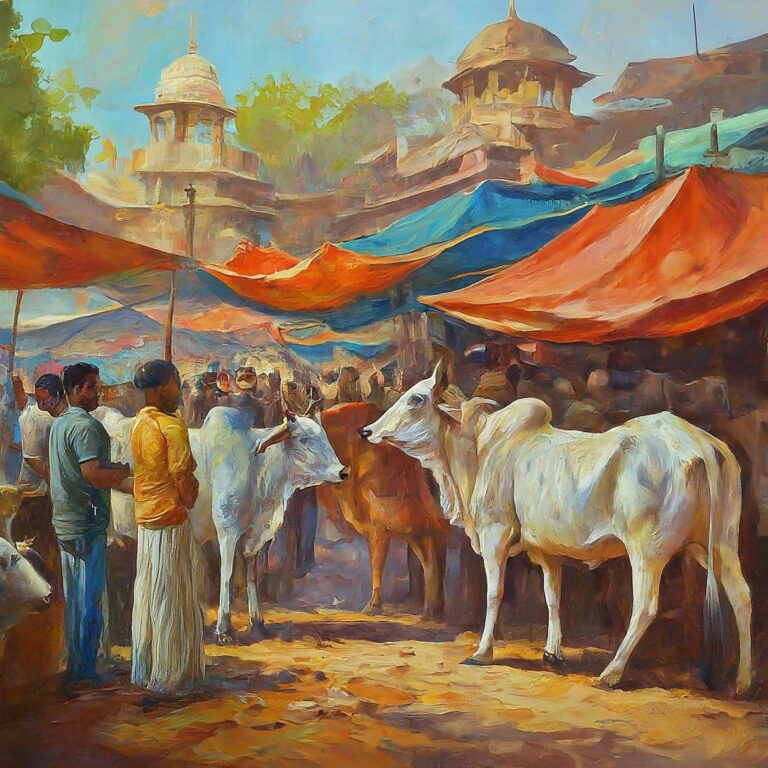
India’s reverence for the cow reflects the country’s diverse tapestry, where multiple beliefs and traditions coexist harmoniously. Beyond Hinduism, other religious and cultural communities in India, such as Jains and Buddhists, also hold the cow in high esteem. This cultural pluralism underscores the nation’s ethos of tolerance and inclusivity, where differences are celebrated and respected.
Challenges and Opportunities
While the cultural and ecological significance of the cow remains undeniable, it faces numerous challenges in the modern era. Rapid urbanization, industrialization, and changing dietary preferences have led to a decline in traditional cattle husbandry practices. Additionally, issues such as stray cattle menace and inadequate infrastructure for animal welfare pose significant hurdles.
However, amidst these challenges lie opportunities for innovation and adaptation. Technology-driven solutions, such as biogas plants utilizing cow dung for energy generation, offer sustainable alternatives. Furthermore, initiatives promoting organic farming and ethical dairy practices align with global trends towards environmental conservation and animal welfare.
Education and Awareness
Critical to the preservation of India’s cow heritage is education and awareness. Promoting understanding of the ecological role of cows, sustainable agricultural practices, and the importance of animal welfare fosters a sense of responsibility among communities. Educational campaigns, workshops, and outreach programs play a vital role in empowering individuals to make informed choices that benefit both society and the environment.
Looking Ahead
As India marches towards a future defined by progress and development, the cow remains a steadfast symbol of continuity and resilience. Balancing tradition with innovation, spirituality with pragmatism, the nation strives to navigate the complexities of modernity while staying rooted in its cultural heritage. By embracing the legacy of the cow and embracing its multifaceted significance, India embarks on a journey towards harmony, sustainability, and inclusivity for generations to come.
In conclusion, the cow transcends its status as a mere animal; it embodies the essence of India’s soul, weaving through the fabric of its past, present, and future. As stewards of this sacred heritage, it is our collective responsibility to nurture and protect the legacy of the cow, ensuring its enduring presence in the tapestry of Indian civilization.
Beyond the Stereotypes: Unveiling the Complexities of Cow Culture in India
The image of the revered cow roaming freely in India is undoubtedly powerful. However, the reality surrounding cow culture in India is multifaceted and nuanced, often defying simple generalizations. Let’s delve deeper into some of the complexities:
1. Regional Variations: Practices and beliefs regarding cows vary significantly across India’s diverse regions. While some states have strict bans on cow slaughter, others have more relaxed regulations. Understanding these regional variations is crucial for informed discussions.
2. Changing Dynamics: With modernization and urbanization, the traditional role of cows in rural life is evolving. While their economic importance remains undeniable, concerns arise regarding animal welfare and resource management in urban settings.
3. The Debate on Beef: The consumption of beef remains a contentious issue in India, fueled by religious and cultural sentiments. Recognizing the emotional weight of this debate while fostering respectful dialogue is essential for finding solutions that balance personal beliefs with social and economic realities.
4. Beyond Religion: While Hinduism plays a significant role in shaping cow reverence, the animal holds cultural significance for other communities as well. Exploring these diverse perspectives enriches our understanding of the broader picture.
5. The Future of the Gau Mata: Ensuring the well-being of cows necessitates a multi-pronged approach. From supporting small-scale dairy farmers to promoting sustainable practices and addressing welfare concerns, collaborative efforts are key.
Engaging with these complexities fosters a deeper understanding of the cow’s unique position in Indian society. By moving beyond stereotypes and embracing open dialogue, we can work towards a future where both tradition and progress coexist, ensuring the well-being of the Gau Mata for generations to come.
The Divine Connection: Understanding the Sacred Status of the Cow in Hinduism
The sacred status of the cow in Hinduism is deeply ingrained in the religious and cultural fabric of India. This revered animal holds a position of utmost significance, symbolizing purity, fertility, and divine abundance. Throughout ancient and medieval Hindu texts, the reverence for cows is evident, with discussions on the ethical implications of cow slaughter and the pursuit of vegetarianism as a means of non-violence and interconnectedness with all living beings.
In Hindu mythology, the association of cows with gods like Krishna adds to their endearment. The Vedic era texts emphasize non-violence towards all creatures, equating the killing of a cow with the killing of a human being, particularly a Brahmin. The Atharvaveda condemns all killings of men, cattle, and horses, highlighting the sanctity of all life forms.
The Puranas, which are integral to Hindu scriptures, depict the earth-goddess Prithvi in the form of a cow. Prithu, the first sovereign, is said to have milked the cow to generate crops for humans during a famine, underscoring the cow’s role in sustenance and prosperity. Kamadhenu, often referred to as the “cow of plenty,” is revered as the mother of all cows and a source of prosperity in Hindu mythology.
In contemporary India, festivals like Govatsa Dwadashi celebrate the veneration of cows as a source of livelihood and religious sanctity. These festivals highlight the symbolism of motherhood, with sacred cows like Kamadhenu and her daughter Nandini revered for their role in sustaining life and abundance.
The sacred status of the cow transcends religious boundaries, resonating with millions across the nation and beyond. It embodies the core values of compassion, non-violence, and interconnectedness with all living beings, reflecting the rich tapestry of India’s cultural heritage. As stewards of this sacred legacy, it is essential to honor and protect the revered status of the cow, fostering harmony and reverence for all life forms.
Harnessing the Blessings: Exploring the Uses and Benefits of Cows
Cows, revered as sacred animals in Hindu culture, are not only symbols of divinity but also sources of numerous practical benefits that enrich human life in multifarious ways. Let’s delve into the myriad uses and benefits that cows offer to communities across the globe.
1. Dairy Production: One of the primary benefits of cows is their ability to produce milk, which serves as a staple food and a versatile ingredient in various culinary traditions worldwide. From fresh milk to dairy products like yogurt, cheese, and butter, cows’ milk forms an essential part of diets globally, providing vital nutrients such as calcium, protein, and vitamins.
2. Agriculture: Cows play a crucial role in agriculture through their contribution to soil fertility. Cow dung, a natural fertilizer rich in organic matter, is used to improve soil structure, enhance nutrient content, and promote crop growth. Additionally, cow urine is utilized in organic farming practices and traditional medicinal preparations, known for its purported therapeutic properties.
3. Livelihoods: In many rural communities, especially in developing countries, cattle rearing serves as a primary source of livelihood. Small-scale farmers and pastoralists rely on cows for milk production, meat, and other by-products, providing sustenance and economic stability to millions of households.
4. Draught Power: Cows have been used as draught animals for centuries, assisting in various agricultural tasks such as plowing fields, pulling carts, and transporting goods. Their strength and endurance make them valuable assets in regions where mechanized farming equipment may be scarce or impractical.
5. Leather and By-products: The hides and skins of cows are utilized in the leather industry to produce a wide range of goods, including footwear, clothing, accessories, and upholstery. Additionally, other by-products such as bones, horns, and hooves are used in manufacturing processes to create items like gelatin, glue, and decorative crafts.
6. Environmental Benefits: Cows contribute to environmental sustainability through their grazing habits. Managed grazing can help maintain grasslands, prevent soil erosion, and promote biodiversity. Furthermore, the use of cow dung as a renewable energy source in biogas production reduces reliance on fossil fuels and mitigates greenhouse gas emissions.
7. Cultural and Religious Significance: Beyond their practical utility, cows hold immense cultural and religious significance in many societies. Revered as symbols of purity, motherhood, and prosperity, they are worshipped in rituals and festivals, embodying divine blessings and spiritual reverence.
In conclusion, the uses and benefits of cows extend far beyond their status as mere animals; they are integral to human sustenance, agricultural practices, economic livelihoods, and cultural heritage. Embracing their blessings and honoring their sacred status, communities worldwide continue to cherish and respect these gentle creatures for their invaluable contributions to humanity.
Domestication and Economic Production: The Role of Cows in Human Civilization
Cows, among the earliest animals to be domesticated by humans, have played a pivotal role in the development of human civilization. From ancient pastoral societies to modern industrial agriculture, the economic production derived from cows has shaped societies, economies, and cultures worldwide. Let’s explore the evolution of cow domestication and its profound impact on economic production throughout history.
1. Domestication of Cattle: The domestication of wild aurochs, the ancestors of modern-day cattle, began approximately 10,000 years ago in regions known as the Fertile Crescent, encompassing parts of modern-day Middle East and South Asia. Over time, humans selectively bred these animals for traits such as docility, milk production, and meat quality, leading to the diverse breeds of cattle we see today.
2. Agricultural Revolution: The transition from hunter-gatherer societies to agrarian civilizations was greatly facilitated by the domestication of cattle. Cows provided a reliable source of milk, meat, and draft power, enabling humans to settle in permanent settlements, cultivate crops, and establish agrarian economies.
3. Milk and Dairy Production: One of the primary economic benefits of cows is their capacity to produce milk, a nutrient-rich food source consumed by humans worldwide. Dairy production has evolved into a thriving industry, encompassing milk processing, cheese making, yogurt production, and other dairy products that contribute significantly to global food security and economic growth.
4. Meat Production: Cows also serve as a vital source of meat, supplying protein-rich food to populations worldwide. Beef production is a major sector within the livestock industry, providing income to farmers, supporting rural economies, and meeting the dietary needs of diverse cultures and cuisines.
5. Leather and By-Products: The hides and skins of cows are utilized in the leather industry to produce a wide range of goods, including footwear, apparel, upholstery, and accessories. Additionally, other by-products such as bones, horns, and fats are utilized in various industries, contributing to economic production and resource utilization.
6. Draught Power: Historically, cows have been utilized as draught animals to assist in agricultural tasks such as plowing fields, pulling carts, and transporting goods. While mechanization has largely replaced animal labor in many parts of the world, draught cattle continue to play a significant role in small-scale farming operations and rural economies.
7. Economic Impact: The economic significance of cows extends beyond their direct contributions to food and leather production. The livestock industry generates employment opportunities, supports ancillary industries such as feed production and veterinary services, and contributes to national economies through trade and export of livestock products.
In conclusion, the domestication of cows and their role in economic production have been central to the development and sustenance of human societies throughout history. From providing sustenance and livelihoods to driving economic growth and cultural exchange, cows continue to be valued assets in modern agriculture and global trade.