A balanced diet provides more than carbohydrates, proteins, and fats. Vitamins and minerals are equally important because they support the everyday processes that keep the body functioning properly. One essential nutrient is Vitamin K, a fat-soluble vitamin best known for its role in blood clotting and its contribution to bone health.
Vitamin K also participates in several processes involving proteins that help regulate calcium in the body. Although it is required in relatively small amounts, getting enough Vitamin K through a varied diet is important for maintaining normal bodily functions.
At DigiStudyLab.in, we explore essential nutrients and their roles in everyday health. This guide explains the different forms of Vitamin K, its important functions, foods that contain it, daily intake recommendations, and what to know about supplements.
Vitamin K at a Glance
Vitamin K is a group of fat-soluble compounds that help activate specific proteins involved in blood clotting and other physiological processes.
The two main forms commonly discussed in human nutrition are:
- Vitamin K1 (Phylloquinone): Found primarily in green leafy vegetables and other plant foods. It is the main dietary form of Vitamin K.
- Vitamin K2 (Menaquinones): Found in certain fermented foods and animal products. Different menaquinones have varying structures and are present in different food sources.
Both forms contribute to Vitamin K activity in the body, although their food sources and metabolism differ.
Why Vitamin K Matters: Five Functions Worth Understanding
Vitamin K supports several important biological processes. Its best-established role is in blood clotting, while its involvement in bone and calcium-related processes continues to be studied.
1. Helps the Blood Clot Normally
Vitamin K is necessary for the activation of several proteins involved in blood coagulation.
These proteins help the body form clots when a blood vessel is injured. Without adequate Vitamin K, the clotting process may become impaired, increasing the risk of excessive bleeding.
This is one of the most clearly established functions of Vitamin K.
2. Contributes to Bone Maintenance
Vitamin K helps activate osteocalcin, a protein involved in bone metabolism.
Osteocalcin participates in the processes that help maintain bone tissue. Vitamin K is therefore important for normal bone function, alongside nutrients such as calcium, vitamin D, and protein.
However, getting enough Vitamin K does not guarantee protection against osteoporosis or fractures. Bone health depends on several nutritional, lifestyle, and medical factors.
3. Supports Proteins Involved in Calcium Regulation
Certain Vitamin K-dependent proteins are involved in regulating calcium within different tissues.
One such protein, matrix Gla protein, is associated with processes that help regulate calcium deposition in soft tissues.
Vitamin K’s role in these proteins has attracted interest in cardiovascular research. However, current evidence does not establish that Vitamin K supplements prevent heart disease or reverse arterial calcification.
4. Participates in Normal Cellular Processes
Vitamin K is involved in the activation of proteins that have functions beyond blood coagulation.
Researchers continue to investigate its roles in different tissues and biological pathways. Some studies explore possible connections with cellular health, inflammation, and other physiological processes.
These areas are still being studied, and they should not be interpreted as proof that Vitamin K supplements prevent chronic diseases.
5. Plays a Role in Maintaining Normal Body Function
Vitamin K is an essential nutrient, meaning the body needs it for normal physiological activity.
Adequate intake supports the Vitamin K-dependent proteins involved in clotting and bone metabolism. A varied diet containing vegetables and other nutritious foods is a practical way to help meet the body’s needs.
The Best Dietary Sources of Vitamin K
Vitamin K1 is especially abundant in many green vegetables. Vitamin K2 occurs in certain fermented foods and animal products.
Including a variety of these foods can help provide Vitamin K as part of a balanced eating pattern.
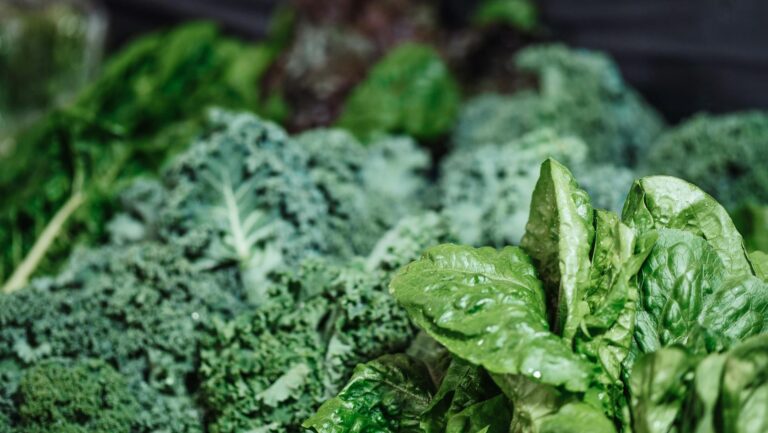
Green Leafy Vegetables
Leafy greens are among the richest dietary sources of Vitamin K1.
Examples include:
- Kale
- Spinach
- Swiss chard
- Collard greens
- Mustard greens
- Lettuce
These vegetables also provide other nutrients, including fiber, folate, and various minerals.
Broccoli and Other Vegetables
Several vegetables contribute Vitamin K to the diet.
Examples include:
- Broccoli
- Brussels sprouts
- Cabbage
- Asparagus
- Green beans
The amount of Vitamin K varies depending on the food, serving size, and preparation method.
Fresh Herbs
Some herbs contain substantial amounts of Vitamin K, particularly when eaten in meaningful quantities.
Examples include:
- Parsley
- Basil
- Coriander leaves
Fresh herbs can add flavor and nutrients to salads, soups, and cooked dishes.
Fermented Foods
Certain fermented foods contain Vitamin K2.
Examples include:
- Natto, a fermented soybean food
- Some fermented vegetables
- Certain cheeses
Vitamin K2 content varies considerably between foods and fermentation methods. Not every fermented food is a rich source.
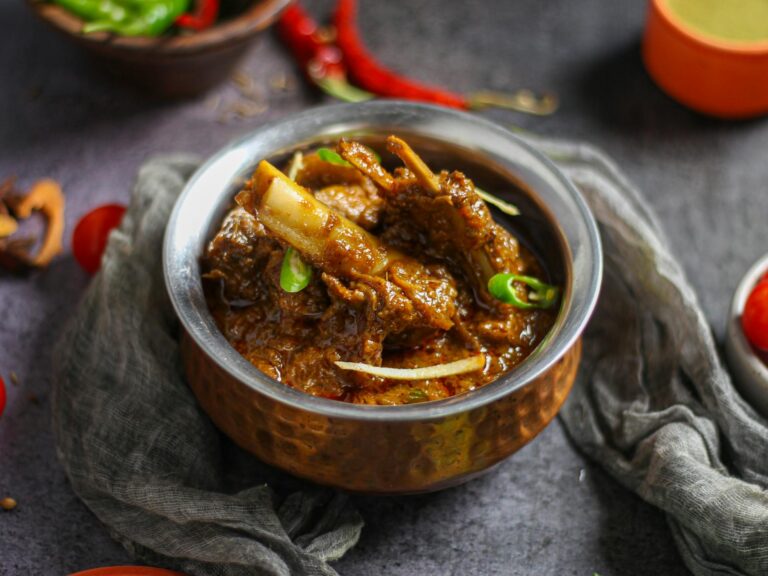
Animal-Based Foods
Some animal products contain Vitamin K2 in varying amounts.
Examples include:
- Eggs
- Certain cheeses
- Liver and other organ meats
The amount depends on the specific food and its production or preparation.
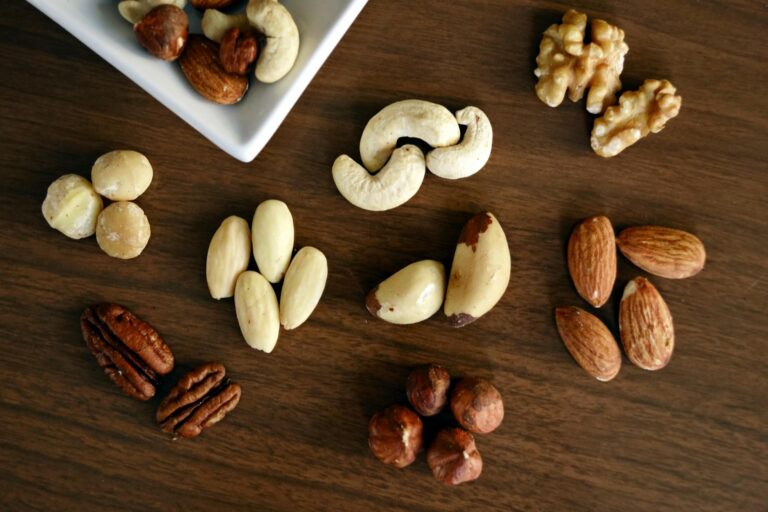
Nuts and Seeds
Nuts and seeds may contribute Vitamin K, although they are generally not as concentrated a source as many leafy green vegetables.
Examples include:
- Pistachios
- Pine nuts
- Sesame seeds
They can still be useful components of a varied diet.
How to Add Vitamin K Foods to Everyday Meals
You do not need a complicated meal plan to include Vitamin K-rich foods.
Here are some practical ideas:
- Add spinach or kale to vegetable dishes.
- Include broccoli or Brussels sprouts with lunch or dinner.
- Use fresh parsley or coriander leaves as a garnish.
- Add leafy greens to soups and salads.
- Include fermented foods that you enjoy and tolerate.
- Eat a variety of vegetables throughout the week rather than relying on one food.
Vitamin K is fat-soluble, and consuming vegetables with some dietary fat can help the body absorb it. For example, leafy greens can be served with a meal containing olive oil, nuts, seeds, or another source of fat.
The overall quality and variety of the diet matter more than focusing on a single nutrient.
What Happens to Vitamin K After You Eat It?
Vitamin K is absorbed in the small intestine along with dietary fat. Its absorption is supported by normal fat digestion and the body’s bile-related processes.
After absorption, Vitamin K participates in the activation of certain proteins.
This activation process is called gamma-carboxylation. It allows specific proteins to perform their normal functions.
Vitamin K-dependent proteins are involved in:
- Blood coagulation
- Bone metabolism
- Calcium-related processes in certain tissues
The body stores relatively limited amounts of Vitamin K compared with some other fat-soluble vitamins. Regular dietary intake therefore helps maintain an adequate supply.
How Much Vitamin K Do You Need?
Vitamin K requirements depend on age and life stage.
The following values are the U.S. National Institutes of Health’s adequate intake (AI) recommendations for Vitamin K. They are not universal recommendations for every country.
| Age or life stage | Daily adequate intake |
|---|---|
| Birth to 6 months | 2 mcg |
| 7–12 months | 2.5 mcg |
| 1–3 years | 30 mcg |
| 4–8 years | 55 mcg |
| 9–13 years | 60 mcg |
| 14–18 years, boys | 75 mcg |
| 14–18 years, girls | 75 mcg |
| Adult men | 120 mcg |
| Adult women | 90 mcg |
| Pregnancy, ages 19–50 | 90 mcg |
| Breastfeeding, ages 19–50 | 90 mcg |
These values refer to total Vitamin K intake from food and other sources.
Individual needs may differ in certain medical situations. People with conditions that affect nutrient absorption or who take medications that interact with Vitamin K should follow advice from their healthcare professional.
Vitamin K Deficiency: What Should You Know?
Vitamin K deficiency is uncommon in healthy adults who eat a varied diet.
However, deficiency can occur when the body cannot absorb fat properly, when certain medications interfere with Vitamin K activity, or in other medical circumstances.
Possible signs include:
- Easy bruising
- Excessive bleeding
- Bleeding that takes longer than usual to stop
- Nosebleeds
- Blood in the urine or stool in some cases
These symptoms can have many causes and should not automatically be attributed to Vitamin K deficiency.
New, unexplained, or persistent bleeding requires medical evaluation.
Who May Have a Higher Risk?
Some people may be more likely to develop Vitamin K deficiency, including those with:
- Conditions that interfere with fat absorption
- Certain intestinal or liver-related disorders
- Prolonged use of particular medications
- Very limited dietary intake combined with other risk factors
Newborns are especially vulnerable because they have low Vitamin K stores and receive limited amounts before and shortly after birth.
Vitamin K is routinely given to newborns in many healthcare settings to help prevent Vitamin K deficiency bleeding. Parents should discuss newborn care and preventive treatment with their healthcare provider.
Vitamin K Supplements: When Should You Be Careful?
Most people can obtain enough Vitamin K through a varied diet.
Supplements may be considered in specific situations, such as when a healthcare professional identifies inadequate intake or a medical need.
However, taking additional Vitamin K is not automatically beneficial for everyone.
Before using a supplement, consider:
- Whether your diet already provides adequate Vitamin K
- Whether you have a condition that affects nutrient absorption
- Whether you take medications that interact with Vitamin K
- Whether a healthcare professional has recommended supplementation
Vitamin K and Warfarin
Vitamin K can interact significantly with warfarin, an anticoagulant medication.
Warfarin works by interfering with Vitamin K-dependent clotting processes. Changes in Vitamin K intake may therefore affect how the medication works.
People taking warfarin should generally aim for a consistent Vitamin K intake, rather than suddenly increasing or eliminating Vitamin K-rich foods.
Do not start Vitamin K supplements, make major dietary changes, or stop prescribed medication without discussing it with your healthcare professional.
This interaction is particularly important because changes in anticoagulant effectiveness can increase the risk of bleeding or blood clots.
Frequently Asked Questions About Vitamin K
Is Vitamin K only needed for blood clotting?
No. Vitamin K is essential for activating proteins involved in blood clotting, but it also participates in bone metabolism and other physiological processes.
Which foods contain the most Vitamin K?
Green leafy vegetables such as kale, spinach, and Swiss chard are among the richest sources of Vitamin K1. Some fermented foods, including natto, contain Vitamin K2.
Is Vitamin K1 different from Vitamin K2?
Yes. Vitamin K1 is primarily found in plant foods, especially leafy greens. Vitamin K2 occurs in certain fermented foods and animal products. Both forms contribute to Vitamin K activity in the body.
Can Vitamin K improve bone health?
Vitamin K activates proteins involved in bone metabolism. Adequate intake supports normal bone function, but bone health also depends on calcium, vitamin D, physical activity, and other factors.
Does Vitamin K prevent heart disease?
Vitamin K participates in the activation of proteins involved in calcium regulation. Although this has led to research into cardiovascular health, there is not enough evidence to conclude that Vitamin K supplements prevent heart disease.
Should everyone take Vitamin K supplements?
No. Many people can meet their needs through food. Supplementation should be considered based on dietary intake, health conditions, medication use, and professional advice.
Can people taking warfarin eat leafy greens?
People taking warfarin do not necessarily need to avoid leafy greens. They should generally maintain a consistent Vitamin K intake and follow their healthcare professional’s guidance.
Final Thoughts: Making Vitamin K Part of a Balanced Diet
Vitamin K is an essential nutrient that supports normal blood clotting and contributes to bone metabolism. It also participates in the activation of proteins involved in other important biological processes.
Green leafy vegetables, selected vegetables, fermented foods, and certain animal products can provide Vitamin K as part of a varied diet.
Rather than relying on supplements or expecting one nutrient to prevent disease, focus on eating a balanced range of nutritious foods and maintaining healthy dietary habits.
At DigiStudyLab.in, our goal is to make nutrition and health topics easier to understand through informative learning resources. Understanding nutrients like Vitamin K can help you make more informed choices about your everyday diet.
Disclaimer: This article is for general educational purposes only. It is not intended to diagnose, treat, cure, or prevent any disease. Consult a qualified healthcare professional for personalized advice about nutrition, deficiency, or supplementation.
For personalized advice—especially if you take warfarin, have a condition affecting nutrient absorption, or are considering supplements—consult a qualified healthcare professional.