Vitamin C is an essential nutrient that supports several important functions in the human body, including collagen production, immune function, antioxidant protection, and iron absorption. It is found in a wide variety of fruits and vegetables, making it possible to obtain enough Vitamin C through a balanced diet.
At DigiStudyLab.in, our goal is to provide educational information that helps readers understand nutrition and make informed choices about their health. In this article, we explore what Vitamin C does, its potential health benefits, food sources, metabolic functions, daily requirements, and the importance of adequate intake.
Understanding Vitamin C: An Essential Nutrient
Vitamin C, also known as ascorbic acid, is a water-soluble vitamin that the human body cannot produce on its own. Therefore, it must be obtained regularly through food or, when necessary, supplements.
Vitamin C acts as an antioxidant and helps protect cells from damage caused by free radicals. It also plays an important role in producing collagen, maintaining normal immune function, and improving the absorption of non-heme iron found in plant-based foods.
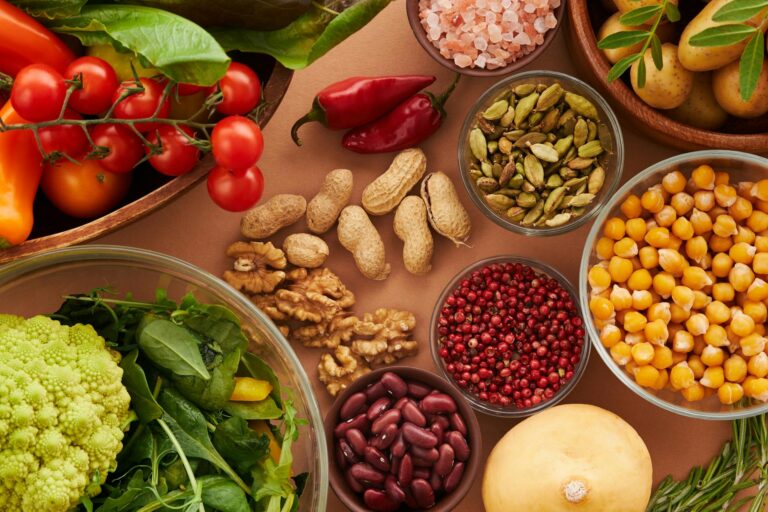
Although citrus fruits are commonly associated with Vitamin C, many other foods—including guava, kiwi, strawberries, bell peppers, broccoli, and papaya—are excellent sources.
Health Benefits of Vitamin C
1. Supports Normal Immune Function
Vitamin C contributes to the normal functioning of the immune system. It supports several cellular processes involved in the body’s defense against infections and helps protect immune cells from oxidative damage.
Getting enough Vitamin C is important for maintaining normal immune function. However, taking extra Vitamin C does not guarantee that you will avoid infections or prevent every illness.
2. Supports Collagen Production
Collagen is a structural protein found in skin, bones, cartilage, blood vessels, and connective tissues.
Vitamin C is required for the normal formation of collagen. Adequate intake supports:
- Normal skin structure and elasticity
- Healthy connective tissues
- Wound healing
- The maintenance of blood vessels
- Bone and cartilage structure
Severe Vitamin C deficiency can interfere with collagen formation and lead to impaired wound healing.
3. Provides Antioxidant Protection
Vitamin C is an antioxidant that helps protect cells from oxidative damage caused by free radicals.
Free radicals are produced naturally during metabolism and can also arise from environmental exposures. The body uses several antioxidant systems to manage them.
Vitamin C contributes to this protective process, but it is only one part of the body’s broader antioxidant defense system.
4. Helps the Body Absorb Iron
Vitamin C improves the absorption of non-heme iron, the type of iron found in plant-based foods and some fortified products.
It can be especially useful when consumed alongside foods such as lentils, beans, spinach, and other iron-containing plant foods.
For example, adding lemon juice to a meal containing lentils or eating guava alongside a plant-based meal can help improve iron absorption.
This is particularly relevant for people who rely primarily on plant-based sources of iron.
5. Supports Skin and Tissue Health
Because Vitamin C is necessary for collagen production, it contributes to the normal structure and maintenance of skin and other connective tissues.
Adequate intake supports normal skin health and tissue repair. However, Vitamin C alone cannot guarantee youthful skin, prevent wrinkles, or treat skin conditions.
A balanced diet, sun protection, and appropriate skin care also contribute to skin health.
6. Contributes to Cardiovascular Health
Vitamin C supports normal blood vessel structure through its role in collagen formation.
Some research has associated higher Vitamin C intake with favorable cardiovascular measurements, including blood pressure. However, these findings do not establish that Vitamin C supplements prevent heart attacks, strokes, or other cardiovascular diseases.
Eating a variety of fruits and vegetables as part of a balanced dietary pattern is a more established approach to supporting overall cardiovascular health.
7. Supports Normal Wound Healing
Vitamin C contributes to collagen formation and normal tissue repair.
Adequate Vitamin C is important during wound healing because collagen helps provide the structural framework for repairing tissues.
People with severe deficiency may experience delayed wound healing. Taking additional Vitamin C beyond adequate intake, however, is not guaranteed to accelerate healing in people who already receive enough.
Top Vitamin C-Rich Foods
Vitamin C is available in many everyday foods. Including a variety of fruits and vegetables can help meet daily requirements.
1. Guava
Guava is a particularly rich source of Vitamin C. It also provides dietary fiber and other nutrients.
Enjoy fresh guava as a snack or add it to fruit salads.
2. Citrus Fruits
Oranges, lemons, limes, and grapefruit provide Vitamin C.
Oranges can be eaten whole, while lemon and lime juice can be added to salads, vegetables, and other meals.
Whole fruit generally provides more fiber than fruit juice.
3. Bell Peppers
Red, yellow, and green bell peppers are useful sources of Vitamin C.
They can be eaten raw, added to salads, or lightly cooked in stir-fries.
4. Strawberries
Strawberries provide Vitamin C, fiber, and other beneficial plant compounds.
Enjoy them fresh, add them to yogurt, or include them in fruit salads.
5. Kiwi
Kiwifruit contains Vitamin C and dietary fiber.
It can be eaten on its own or added to smoothies and fruit bowls.
6. Papaya
Papaya provides Vitamin C along with other nutrients and dietary fiber.
Enjoy it fresh or combine it with other fruits for a nutritious snack.
7. Broccoli
Broccoli provides Vitamin C, fiber, and several other vitamins and minerals.
Steaming or lightly cooking broccoli can help preserve its nutrients. Prolonged boiling may cause some Vitamin C to leach into the cooking water.
8. Leafy Green Vegetables
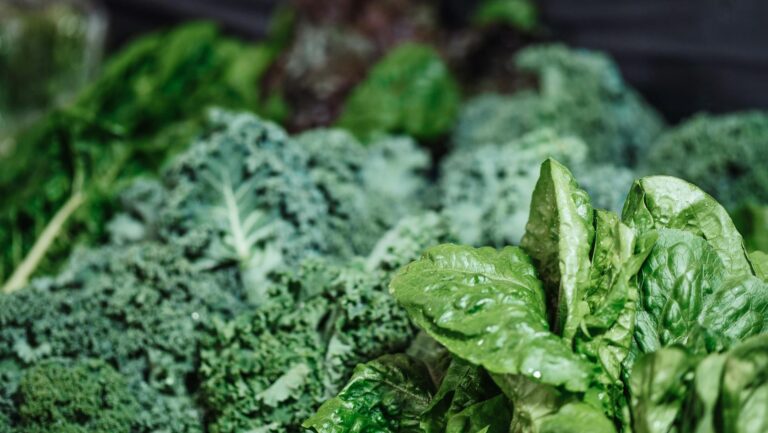
Vegetables such as spinach and kale contribute Vitamin C along with other nutrients.
Including different leafy greens in meals helps add variety to the diet.
Food preparation tip: Vitamin C can be reduced by heat, prolonged storage, and exposure to water during cooking. Eating some fruits and vegetables raw or lightly cooked can help preserve their Vitamin C content.
Incorporating Vitamin C-Rich Foods Into Your Diet
Adding Vitamin C-rich foods to everyday meals can be simple.
Citrus and Fruit Salad
Combine orange segments, strawberries, kiwi, and other seasonal fruits for a refreshing snack.
Bell Pepper Stir-Fry
Lightly stir-fry bell peppers with vegetables and your preferred protein source.
Strawberry Yogurt Bowl
Add fresh strawberries to plain yogurt and top with nuts or seeds.
Lemon and Broccoli
Steam broccoli lightly and add lemon juice for flavor.
Guava Snack
Enjoy fresh guava between meals as a convenient source of Vitamin C.
Papaya Fruit Bowl
Combine papaya with other seasonal fruits for a colorful and nutrient-rich snack.
These are general food ideas. Individual nutritional needs and portion sizes vary.
The Metabolic Functions of Vitamin C
Vitamin C participates in several important biochemical processes beyond its antioxidant role.
1. Collagen Synthesis
Vitamin C acts as a cofactor for enzymes involved in collagen formation.
It helps these enzymes carry out reactions necessary for the normal structure and stability of collagen.
This function is important for skin, blood vessels, bones, cartilage, and connective tissues.
2. Antioxidant Activity
Vitamin C can donate electrons to help neutralize certain reactive molecules.
It also contributes to the regeneration of other antioxidants, including Vitamin E, under appropriate biological conditions.
These functions help maintain the body’s antioxidant balance.
3. Iron Metabolism
Vitamin C helps convert dietary non-heme iron into a form that is more readily absorbed.
This improves the availability of iron from plant-based foods and can contribute to maintaining normal iron status.
4. Carnitine Synthesis
Vitamin C is involved in the synthesis of carnitine, a compound that helps transport long-chain fatty acids into mitochondria.
This process allows fatty acids to be used in energy production.
Vitamin C is therefore involved in normal energy metabolism, although taking extra Vitamin C does not necessarily increase energy levels in people who already have adequate intake.
5. Neurotransmitter Synthesis
Vitamin C serves as a cofactor for dopamine beta-hydroxylase, an enzyme involved in converting dopamine into norepinephrine.
Norepinephrine is a neurotransmitter and hormone involved in several physiological processes, including the body’s response to stress.
This biochemical role does not mean that Vitamin C supplements are proven treatments for mood disorders or cognitive conditions.
6. Immune Cell Function
Vitamin C supports normal immune cell function and helps protect these cells from oxidative damage.
It contributes to several processes involved in immune defense, including the function of certain white blood cells.
Adequate intake is important for normal immune health, but supplements should not be considered a replacement for medical treatment when an infection or other illness occurs.
Daily Vitamin C Requirements
The amount of Vitamin C needed depends on age, sex, pregnancy, lactation, and certain lifestyle factors.
The following table provides general U.S. recommended dietary allowances (RDAs) for adults.
| Group | Recommended daily intake |
|---|---|
| Adult men | 90 mg |
| Adult women | 75 mg |
| Pregnancy, adults | 85 mg |
| Lactation, adults | 120 mg |
| Adults who smoke | An additional 35 mg per day |
These values are general reference amounts, not individualized medical recommendations. Requirements for children and adolescents differ by age.
The adult tolerable upper intake level is 2,000 mg per day from all sources. This is a safety limit, not a recommended target. Some people may experience adverse effects at lower supplemental amounts.
Vitamin C Deficiency
Vitamin C deficiency can occur when intake remains too low for an extended period.
Severe deficiency causes scurvy, a condition that affects collagen formation and connective tissues.
Possible symptoms include:
- Fatigue and weakness
- Swollen or bleeding gums
- Easy bruising
- Joint pain
- Poor wound healing
- Small skin hemorrhages
People with very limited diets, certain medical conditions, or increased nutritional needs may be at greater risk.
If deficiency is suspected, a healthcare professional can assess symptoms, dietary intake, and whether testing or treatment is appropriate.
Vitamin C Supplements: What to Know
Most people can obtain enough Vitamin C through a varied diet.
Supplements may be useful for people who have inadequate dietary intake or a medical reason for supplementation. They are available in several forms, including tablets, capsules, powders, and chewable products.
Consider the following:
- Supplements are not automatically necessary when dietary intake is adequate.
- Higher doses do not necessarily provide greater health benefits.
- Large supplemental doses may cause diarrhea, nausea, abdominal cramps, or other digestive symptoms.
- People with a history of kidney stones, kidney disease, or iron-overload conditions should discuss supplementation with a healthcare professional.
- Vitamin C can affect certain medical tests and may interact with some treatments.
Always consult a healthcare professional before taking high-dose supplements or making significant changes to your supplement routine.
Conclusion: Make Vitamin C Part of a Balanced Diet
Vitamin C is an essential nutrient that supports collagen formation, normal immune function, antioxidant protection, iron absorption, and several metabolic processes.
A varied diet containing guava, citrus fruits, strawberries, kiwi, bell peppers, broccoli, and other fruits and vegetables can help provide this important vitamin.
At DigiStudyLab.in, we aim to make health and nutrition topics easier to understand through educational content. Learning about essential nutrients can help readers make informed dietary choices, but individual health needs may differ.
For personalized nutrition advice, especially when managing a medical condition or considering supplements, consult a qualified healthcare professional or registered dietitian.
Disclaimer: This article is for general educational purposes only. It is not intended to diagnose, treat, cure, or prevent any disease, and it should not replace professional medical advice.