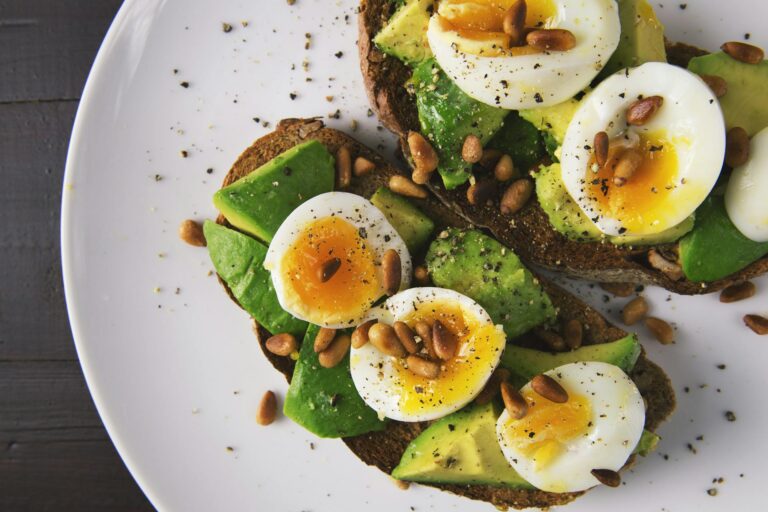
Vitamin B7, also known as biotin, is an essential water-soluble vitamin that plays an important role in maintaining overall health. It helps the body process carbohydrates, fats, and proteins, supporting several metabolic functions necessary for normal energy production and cellular activity.
Biotin is often called the “beauty vitamin” because of its association with hair, skin, and nail health. However, its importance extends beyond appearance. It also contributes to essential biochemical processes that help the body function properly.
Although biotin deficiency is uncommon in people who eat a varied diet, understanding its benefits, food sources, and daily requirements can help you make informed nutritional choices.
What Is Vitamin B7?
Vitamin B7, commonly called biotin, belongs to the B-complex family of vitamins. It is a water-soluble nutrient, meaning that it dissolves in water and is not stored in large amounts in the body.
Biotin functions as a cofactor for several enzymes involved in important metabolic reactions. These enzymes help the body:
- Process carbohydrates, fats, and proteins
- Support normal energy metabolism
- Produce fatty acids
- Break down certain amino acids
- Support the production of glucose when needed
Because biotin participates in these essential processes, obtaining adequate amounts through food is important for maintaining normal bodily functions.
Health Benefits of Vitamin B7
Vitamin B7 supports several important functions throughout the body. Here are some of its key benefits.
1. Supports Healthy Hair
Biotin is commonly associated with hair health and is frequently included in hair-care supplements.
It participates in metabolic processes that support normal cell function, including the cells involved in maintaining hair follicles.
However, biotin supplements have not been shown to reliably improve hair growth in people who already have adequate biotin levels. Evidence for treating hair thinning or hair loss with biotin is limited, except in cases where deficiency contributes to the problem.
A balanced diet that provides essential nutrients can help support normal hair health.
2. Helps Maintain Skin Health
Biotin contributes to normal metabolic functions that support the body’s tissues, including the skin.
Because it participates in fatty acid metabolism, it helps support processes important for maintaining healthy cells.
Severe biotin deficiency may cause skin-related symptoms, including certain types of rashes. However, there is limited evidence that taking additional biotin improves skin appearance or treats common skin conditions in people who are not deficient.
Maintaining a balanced diet and following an appropriate skincare routine remain important for overall skin health.
3. Supports Normal Nail Health
Biotin is often promoted as a nutrient for stronger nails.
Some small studies suggest that high-dose biotin supplements may improve nail thickness or brittleness in certain people with fragile nails. However, the available research is limited, and more evidence is needed to establish its effectiveness.
Biotin is not a guaranteed solution for brittle nails. Nail problems can also result from aging, frequent exposure to water or chemicals, nutritional deficiencies, or underlying health conditions.
If nail changes persist, identifying the underlying cause is more useful than automatically taking supplements.
4. Supports Energy Metabolism
One of the most important functions of vitamin B7 is its role in energy metabolism.
Biotin acts as a cofactor for enzymes that help the body process carbohydrates, fats, and proteins.
These reactions allow nutrients from food to enter metabolic pathways that support the body’s energy requirements.
Biotin does not directly provide energy like calories from food. Instead, it helps enzymes perform reactions needed for normal metabolism.
Adequate biotin intake therefore supports the body’s ability to use nutrients efficiently.
5. Contributes to Normal Blood Sugar Metabolism
Biotin participates in several metabolic reactions involved in glucose production and energy regulation.
Certain biotin-dependent enzymes help the body produce glucose when needed, including during periods when food intake is limited.
Some research has investigated whether high-dose biotin could influence blood sugar levels, particularly in people with diabetes. However, findings are limited and inconsistent.
Biotin is not an established treatment for diabetes and should not replace prescribed medication, medical advice, or appropriate dietary management.
People managing blood sugar conditions should consult a healthcare professional before using high-dose biotin supplements.
6. Supports Normal Development During Pregnancy
Biotin is important for normal cellular metabolism and development.
During pregnancy, adequate nutrition helps support the growth and development of the baby. Biotin is one of the essential nutrients involved in these processes.
Some studies have found that marginal biotin deficiency may occur during pregnancy, even when obvious symptoms are absent.
However, taking high-dose biotin supplements is not automatically necessary. Pregnant individuals should obtain nutritional guidance from a healthcare professional and follow recommended prenatal supplementation.
A balanced diet and appropriate prenatal care help support maternal and fetal health.
Vitamin B7-Rich Foods: What to Include in Your Diet
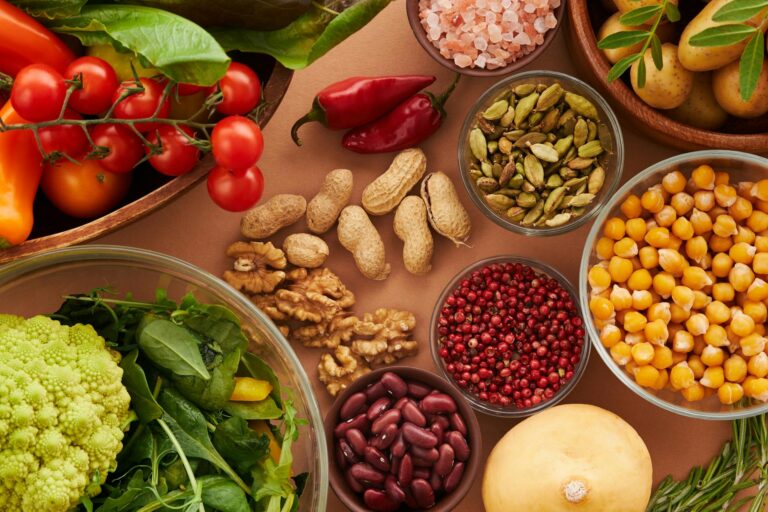
Biotin is naturally present in a variety of foods. Including different food groups in your daily meals can help you obtain adequate amounts.
1. Eggs
Eggs provide biotin along with protein and other important nutrients.
Cooked eggs can be a convenient addition to breakfast, lunch, or dinner.
Important: Raw egg whites contain avidin, a protein that binds biotin and can reduce its absorption when consumed frequently in large amounts. Cooking egg whites reduces avidin activity and makes biotin more available.
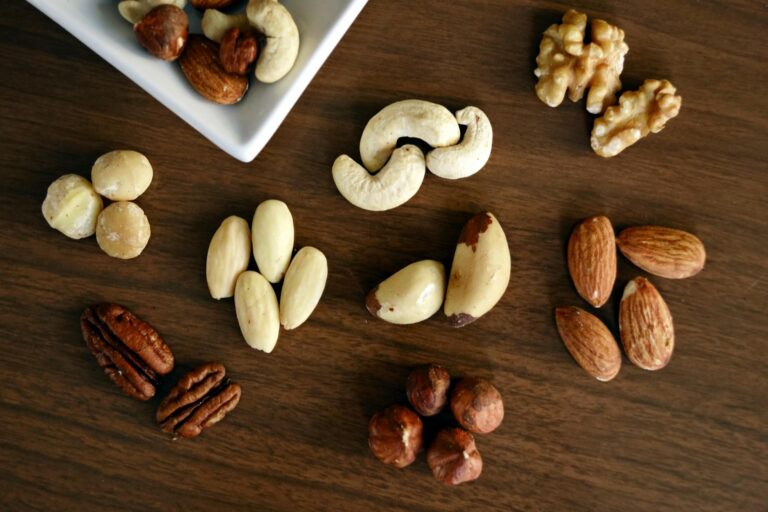
2. Nuts and Seeds
Nuts and seeds provide biotin, healthy fats, and other nutrients.
Examples include:
- Almonds
- Peanuts
- Walnuts
- Sunflower seeds
They can be added to meals, salads, or snacks. Portion sizes should be considered because nuts and seeds are energy-dense foods.
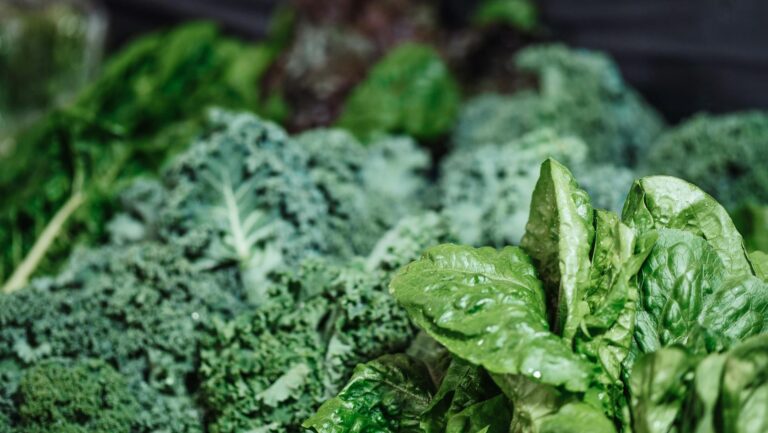
3. Leafy Green Vegetables
Leafy greens contribute a range of vitamins, minerals, and other nutrients.
Examples include:
- Spinach
- Kale
- Swiss chard
Adding leafy greens to cooked dishes, salads, or other meals can help improve overall dietary variety.
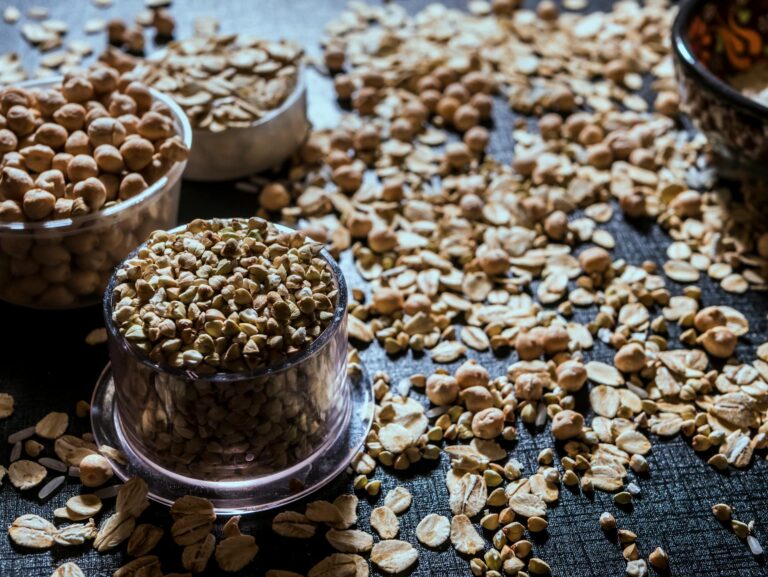
4. Whole Grains
Whole grains provide carbohydrates, fiber, and several B vitamins.
Examples include:
- Oats
- Barley
- Whole wheat
- Brown rice
Choosing a variety of whole grains can contribute to a balanced diet and help provide nutrients involved in normal metabolism.
5. Organ Meats
Organ meats, particularly liver, can provide substantial amounts of biotin and other nutrients.
They are nutrient-dense foods, but they do not need to be consumed regularly by everyone.
People who are pregnant or planning pregnancy should seek professional guidance regarding liver consumption because it can contain high amounts of vitamin A in the form of retinol.
6. Fish
Certain fish provide biotin along with protein and other nutrients.
Examples include:
- Salmon
- Sardines
- Tuna
Fish can be included as part of a varied diet. Individuals who do not eat fish can obtain biotin from other food sources.
7. Avocados
Avocados provide several nutrients, including healthy fats and dietary fiber.
They can be added to salads, sandwiches, or other meals as part of a balanced eating pattern.
Avocados contribute to dietary variety, although their biotin content can vary.
Understanding the Metabolic Functions of Vitamin B7
Biotin supports several biochemical reactions that are essential for normal cellular activity.
1. Carbohydrate Metabolism
Biotin acts as a cofactor for pyruvate carboxylase, an enzyme involved in converting pyruvate into oxaloacetate.
This reaction supports gluconeogenesis, the process through which the body produces glucose when needed.
Biotin-dependent enzymes also participate in metabolic pathways that help the body process nutrients and maintain normal energy metabolism.
2. Fat Metabolism
Biotin is required for the activity of acetyl-CoA carboxylase, an enzyme involved in fatty acid synthesis.
Fatty acids are important components of cell membranes and serve several functions in the body.
By supporting enzyme activity in fatty acid metabolism, biotin contributes to normal cellular processes.
3. Protein and Amino Acid Metabolism
Biotin-dependent enzymes participate in the metabolism of certain amino acids.
These reactions help the body process components of dietary protein and support the production of substances needed for normal cellular function.
Biotin also supports metabolic pathways that allow the body to use different nutrients according to its needs.
4. Energy Metabolism
Biotin helps enzymes carry out reactions involved in the metabolism of carbohydrates, fats, and proteins.
These pathways contribute to the production of energy that cells use for activities such as muscle movement, cellular maintenance, and other normal functions.
Biotin itself does not supply calories. Its role is to help specific enzymes function properly.
5. Cellular Function and Gene Regulation
Biotin is essential for normal cellular activity.
Research has also investigated possible roles for biotin in gene regulation and other cellular processes. However, these areas are still being studied, and their implications for human health are not fully established.
The best-supported role of biotin remains its function as a cofactor for specific enzymes involved in metabolism.
How Much Vitamin B7 Do You Need?
Biotin requirements vary according to age and life stage.
The following values are the U.S. National Institutes of Health Office of Dietary Supplements’ adequate intake (AI) recommendations. These are general reference values, not individualized medical advice.
| Life Stage | Recommended Daily Intake |
|---|---|
| Birth–6 months | 5 mcg |
| 7–12 months | 6 mcg |
| 1–3 years | 8 mcg |
| 4–8 years | 12 mcg |
| 9–13 years | 20 mcg |
| 14–18 years | 25 mcg |
| Adults 19 years and older | 30 mcg |
| Pregnancy | 30 mcg |
| Breastfeeding | 35 mcg |
Biotin needs are generally met through a varied diet.
There is no established tolerable upper intake level for biotin because evidence has not been sufficient to determine a maximum daily amount that is safe for everyone. This does not mean that high-dose supplements are risk-free.
What Happens When You Don’t Get Enough Vitamin B7?
Biotin deficiency is rare in healthy individuals who consume a varied diet.
However, deficiency can occur in certain circumstances, including:
- Rare inherited disorders affecting biotin metabolism
- Prolonged consumption of large amounts of raw egg whites
- Certain medical conditions that affect nutrient absorption
- Severe or prolonged inadequate nutritional intake
- Some situations involving medications or other health factors
Possible symptoms of biotin deficiency include:
- Hair thinning or hair loss
- Skin rashes, particularly around the eyes, nose, or mouth
- Brittle nails
- Fatigue
- Neurological symptoms in more severe cases
These symptoms can also occur for many other reasons. They do not necessarily indicate biotin deficiency.
If you experience persistent symptoms, consult a healthcare professional rather than self-diagnosing or starting high-dose supplements.
Should You Take Vitamin B7 Supplements?
Biotin supplements are available in different forms and doses.
Most people who eat a varied diet do not need a separate biotin supplement unless a healthcare professional identifies a specific need.
Supplementation may be considered in certain situations, such as a confirmed deficiency or a medical condition that affects biotin metabolism.
Before taking a supplement, consider the following:
- Choose food first: A varied diet can provide biotin along with other essential nutrients.
- Avoid unnecessary high doses: More biotin does not automatically mean better health.
- Discuss supplements with a healthcare professional: This is particularly important during pregnancy, breastfeeding, or when managing a medical condition.
- Check medication and laboratory-test interactions: Biotin can interfere with certain laboratory tests, including some thyroid tests and tests used to assess heart-related conditions.
- Tell your healthcare provider about supplements: Inform your doctor and laboratory staff if you take biotin before undergoing blood tests.
High-dose biotin can cause misleading laboratory results, potentially affecting medical decisions. Follow professional guidance about whether and when to stop a supplement before testing.
Final Thoughts
Vitamin B7, or biotin, is an essential nutrient that supports normal metabolism and several important cellular functions.
It helps the body process carbohydrates, fats, and proteins, while also contributing to the metabolic processes needed for healthy tissues and normal energy production.
Although biotin is widely associated with hair, skin, and nail health, supplements are not proven to improve these conditions in everyone. Their benefits are most relevant when a deficiency or specific medical need exists.
Including a variety of foods such as eggs, nuts, seeds, leafy greens, whole grains, fish, and other nutrient-rich options can help support adequate biotin intake.
A balanced diet, healthy lifestyle, and appropriate medical guidance remain the foundations of long-term health.
Disclaimer: This article is for educational and informational purposes only. It is not a substitute for professional medical advice, diagnosis, or treatment. Consult a qualified healthcare professional before starting supplements or making significant changes to your diet, especially if you are pregnant, breastfeeding, taking medication, or managing a medical condition.