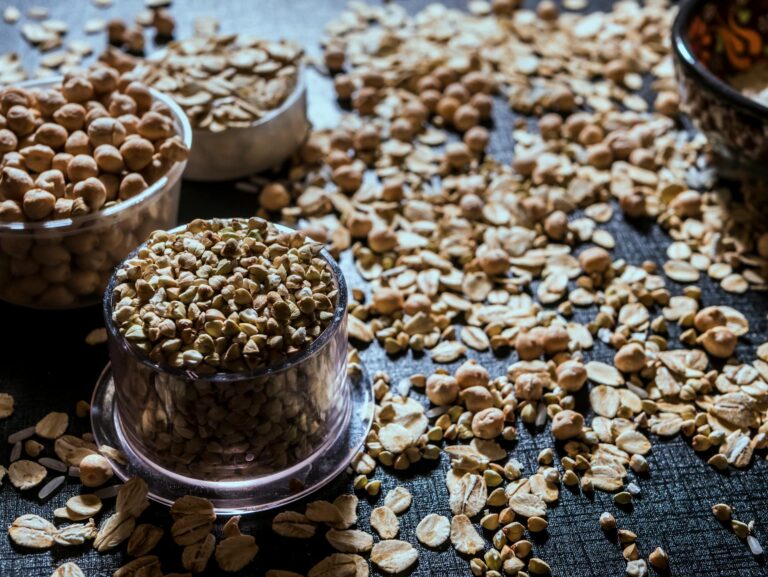
Vitamin B6, also known as pyridoxine, is an essential water-soluble vitamin that plays an important role in metabolism, brain function, immune health, and the production of red blood cells. It helps the body process nutrients from food and supports several biochemical reactions necessary for normal growth and development.
Although the body requires only small amounts of Vitamin B6, this nutrient participates in more than 100 enzyme reactions, particularly those involved in protein and amino acid metabolism. It also contributes to the production of neurotransmitters, the maintenance of normal homocysteine levels, and the functioning of the immune system.
At DigiStudyLab.in, we explore essential nutrients and their role in everyday health. Let’s understand the benefits of Vitamin B6, its food sources, metabolic functions, and why it is important for maintaining overall well-being.
What Is Vitamin B6?
Vitamin B6 is one of the eight B vitamins. It is a water-soluble nutrient that the body needs for normal metabolic processes.
Vitamin B6 includes several related compounds, such as pyridoxine, pyridoxal, and pyridoxamine.
The body converts these compounds into active forms, particularly pyridoxal 5′-phosphate (PLP), which acts as a coenzyme in numerous biochemical reactions.
Vitamin B6 supports:
- Protein and amino acid metabolism
- Energy metabolism
- Neurotransmitter production
- Red blood cell formation
- Immune system function
- Normal homocysteine metabolism
Because Vitamin B6 participates in many essential processes, maintaining an adequate intake through a balanced diet is important for overall health.
Health Benefits of Vitamin B6
Vitamin B6 contributes to several important functions in the human body. Here are some of its key benefits.
1. Supports Metabolism and Energy Production
One of the primary functions of Vitamin B6 is helping the body process nutrients from food.
Its active coenzyme form participates in reactions involving amino acids, carbohydrates, and fats.
Vitamin B6 also supports glycogenolysis, the process through which stored glycogen is broken down to provide glucose.
These metabolic functions help the body use nutrients efficiently and maintain normal energy metabolism.
Adequate Vitamin B6 intake supports the body’s ability to process food and maintain cellular activity.
2. Supports Brain and Nervous System Function
Vitamin B6 plays an important role in the normal functioning of the nervous system.
It is required for the production of several neurotransmitters, including:
- Serotonin
- Dopamine
- Gamma-aminobutyric acid (GABA)
- Norepinephrine
These chemical messengers help nerve cells communicate and participate in processes related to mood, movement, sleep, and cognitive function.
Vitamin B6 also contributes to normal brain development and neurological function.
Although adequate Vitamin B6 is essential for the nervous system, taking extra supplements does not automatically improve memory, concentration, or mood in people who already meet their nutritional requirements.
3. Supports Red Blood Cell Formation
Vitamin B6 contributes to the production of hemoglobin, the protein in red blood cells that carries oxygen throughout the body.
It participates in heme synthesis, a process required for the formation of hemoglobin.
Adequate Vitamin B6 helps support normal red blood cell production and oxygen transport.
Deficiency can sometimes contribute to anemia, including a type known as sideroblastic anemia.
However, anemia can have many causes, including iron deficiency, Vitamin B12 deficiency, folate deficiency, and certain medical conditions.
4. Supports Immune System Function
Vitamin B6 plays an important role in maintaining normal immune function.
It contributes to biochemical processes involved in the production and activity of immune cells.
Adequate Vitamin B6 supports the body’s ability to maintain normal immune responses and helps the immune system function properly.
A balanced diet containing sufficient Vitamin B6 and other essential nutrients contributes to overall nutritional health.
5. Supports Normal Homocysteine Metabolism
Homocysteine is an amino acid produced during the metabolism of other nutrients.
Vitamin B6 participates in metabolic pathways that help the body process homocysteine.
It works alongside other nutrients, including Vitamin B12 and folate, to support normal homocysteine metabolism.
Elevated homocysteine levels have been associated with cardiovascular risk, but lowering homocysteine with vitamin supplements has not consistently been shown to prevent heart attacks or strokes.
Vitamin B6 is important for normal metabolism, but supplements should not be considered a substitute for established cardiovascular prevention measures.
6. Supports Healthy Pregnancy
Vitamin B6 is important during pregnancy because it contributes to normal protein metabolism, nervous system function, and the development of tissues.
It also participates in the production of neurotransmitters and other compounds required for normal physiological processes.
Vitamin B6 supplements may be recommended by healthcare professionals to help manage nausea and vomiting during pregnancy.
Pregnant individuals should consult their healthcare provider before using supplements to determine the appropriate dose and whether additional treatment is needed.
7. Contributes to Normal Hormone-Related Processes
Vitamin B6 participates in several biochemical reactions involved in amino acid metabolism and neurotransmitter production.
These processes are important for normal cellular function and the body’s physiological regulation.
However, Vitamin B6 should not be described as a treatment for hormonal imbalance or as a guaranteed way to regulate estrogen, progesterone, or testosterone.
Maintaining adequate Vitamin B6 intake supports normal nutritional function, but additional supplementation does not necessarily improve hormone levels.
Vitamin B6-Rich Foods: What to Include in Your Diet
Vitamin B6 is available in many animal-based and plant-based foods.
Including different food sources in your regular meals can help you meet your daily nutritional requirements.
1. Poultry
Chicken and turkey are useful sources of Vitamin B6.
Poultry also provides protein and other nutrients that contribute to a balanced diet.
It can be prepared in different ways, depending on individual dietary preferences.
2. Fish
Fish such as salmon, tuna, and trout provide Vitamin B6.
Fish also supplies protein and other nutrients that contribute to overall health.
Including different types of fish can help improve dietary variety.
3. Organ Meats
Organ meats, including liver, contain Vitamin B6 along with other B vitamins and minerals.
They can contribute to nutrient intake when included in appropriate portions as part of a varied diet.
4. Leafy Green Vegetables
Vegetables such as spinach and other leafy greens provide Vitamin B6 and additional nutrients.
They can be incorporated into salads, soups, and cooked meals.
Including a variety of vegetables helps support overall dietary quality.
5. Avocado
Avocado contains Vitamin B6 along with dietary fiber and healthy fats.
It can be added to salads, sandwiches, and other meals.
Including avocado as part of a varied diet can contribute to nutrient intake.
6. Sunflower Seeds
Sunflower seeds provide Vitamin B6 along with other nutrients.
They can be eaten as a snack or added to salads and other dishes.
Seeds provide a convenient way to increase dietary variety.
7. Bananas
Bananas contain Vitamin B6 along with carbohydrates, fiber, and other nutrients.
They can be enjoyed as a snack or incorporated into breakfast foods and smoothies.
Although bananas contain carbohydrates, they can still be part of a balanced diet.
8. Potatoes
Potatoes provide Vitamin B6 and other nutrients.
They can be prepared in different ways, including boiled, baked, or roasted.
Potatoes can contribute to a balanced eating pattern when combined with a variety of other nutrient-rich foods.
9. Chickpeas and Other Legumes
Chickpeas, beans, and other legumes provide Vitamin B6.
They also contain protein, fiber, and several other nutrients.
Legumes are useful dietary options for people following vegetarian or plant-based eating patterns.
10. Whole Grains and Fortified Foods
Whole grains contain Vitamin B6 and other nutrients.
Some breakfast cereals and grain products may also be fortified with additional vitamins.
Checking nutrition labels can help you understand how much Vitamin B6 a product provides.
Understanding the Metabolic Functions of Vitamin B6
Vitamin B6 plays an important role in several biochemical pathways that help the body maintain normal cellular activity.
1. Amino Acid Metabolism
One of the most important functions of Vitamin B6 is its involvement in amino acid metabolism.
Its active form, pyridoxal 5′-phosphate, acts as a coenzyme for enzymes involved in reactions such as transamination and decarboxylation.
Transamination helps the body transfer amino groups between molecules.
This process supports the production of certain amino acids and helps the body process amino acids obtained from food.
Vitamin B6 therefore plays an important role in protein metabolism.
2. Glycogen Breakdown and Glucose Production
Vitamin B6 participates in glycogenolysis, the process through which the body breaks down stored glycogen.
Its active form is required by glycogen phosphorylase, an enzyme involved in releasing glucose units from glycogen.
Vitamin B6 also participates in gluconeogenesis, a process through which the body produces glucose from non-carbohydrate sources.
These pathways help maintain normal glucose availability, particularly when the body needs to use stored energy.
3. Neurotransmitter Synthesis
Vitamin B6 is required for the synthesis of several neurotransmitters.
Its active coenzyme form participates in reactions involved in producing serotonin, dopamine, GABA, and other chemical messengers.
These neurotransmitters play important roles in communication between nerve cells.
Through these pathways, Vitamin B6 contributes to normal nervous system function.
4. Heme Synthesis
Vitamin B6 participates in the production of heme.
Heme is an important component of hemoglobin, the protein responsible for carrying oxygen in red blood cells.
Vitamin B6 supports an enzyme involved in an early step of heme synthesis.
This function helps maintain normal red blood cell production and oxygen transport.
5. One-Carbon Metabolism
Vitamin B6 participates in one-carbon metabolism, a group of biochemical reactions involved in the transfer of small carbon-containing units.
These reactions contribute to amino acid metabolism and the production of compounds required for cellular function.
Vitamin B6 also participates in pathways involving homocysteine.
These processes help support normal metabolism and cellular maintenance.
6. Lipid Metabolism
Vitamin B6 participates in certain reactions involved in lipid metabolism.
Its active form supports enzymes that help the body process nutrients and maintain normal cellular activity.
Vitamin B6 also contributes to pathways involving the metabolism of amino acids and other compounds that can influence lipid-related processes.
However, it should not be considered a direct treatment for high cholesterol or other lipid disorders.
How Much Vitamin B6 Do You Need?
Vitamin B6 requirements vary according to age, sex, and life stage.
The following are commonly used US dietary reference recommendations:
| Group | Recommended daily intake |
|---|---|
| Adults 19–50 years | 1.3 mg |
| Men 51 years and older | 1.7 mg |
| Women 51 years and older | 1.5 mg |
| Pregnancy | 1.9 mg |
| Breastfeeding | 2.0 mg |
Children and teenagers have different requirements depending on their age.
These values are general dietary reference recommendations. Individual nutritional needs may vary, and local dietary guidelines may use different reference values.
A varied diet containing poultry, fish, legumes, vegetables, fruits, nuts, seeds, and whole grains can help support adequate Vitamin B6 intake.
What Happens When You Don’t Get Enough Vitamin B6?
Vitamin B6 deficiency can occur when dietary intake is inadequate or when certain medical conditions or medications affect its metabolism.
Possible symptoms include:
- Skin inflammation or rashes
- Cracked lips
- Swelling or soreness of the tongue
- Fatigue
- Irritability
- Anemia
- Neurological symptoms, including confusion in severe cases
Vitamin B6 deficiency may also occur alongside deficiencies of other nutrients.
Certain medications and excessive alcohol consumption can affect Vitamin B6 status.
If you experience persistent symptoms or suspect a nutritional deficiency, consult a qualified healthcare professional for appropriate evaluation.
Can You Get Too Much Vitamin B6?
Although Vitamin B6 is essential, taking excessive amounts from supplements can be harmful.
Long-term use of high-dose Vitamin B6 supplements can cause peripheral neuropathy, a condition that affects the nerves.
Possible symptoms include:
- Tingling or numbness in the hands and feet
- Burning sensations
- Difficulty with balance
- Changes in sensation
The risk depends on the amount consumed, duration of use, and individual circumstances.
Because Vitamin B6 is available in many foods, most people do not need high-dose supplements.
Check the Vitamin B6 content of multivitamins and other supplements before combining products.
If you are considering supplementation, consult a qualified healthcare professional to determine whether it is appropriate for your needs.
Should You Take Vitamin B6 Supplements?
Most people can obtain sufficient Vitamin B6 through a balanced diet.
Supplements may be appropriate for individuals with inadequate dietary intake, certain medical conditions, or a deficiency identified by a healthcare professional.
However, taking additional Vitamin B6 does not automatically improve mood, memory, immune function, or cardiovascular health when nutritional requirements are already being met.
High-dose supplements can cause nerve damage, particularly when taken for extended periods.
Before using Vitamin B6 supplements, consider your dietary intake and seek professional advice if you have specific health concerns.
Conclusion: Make Vitamin B6 Part of a Balanced Diet
Vitamin B6, also known as pyridoxine, is an essential nutrient that supports metabolism, neurotransmitter production, immune function, and red blood cell formation.
It plays an important role in amino acid metabolism, glycogen breakdown, and several biochemical pathways necessary for normal cellular function.
Vitamin B6 is available in many everyday foods, including poultry, fish, organ meats, leafy green vegetables, avocado, sunflower seeds, bananas, potatoes, legumes, and whole grains.
By including a variety of nutrient-rich foods in your diet, you can help meet your Vitamin B6 requirements and support overall health.
Explore more educational articles about vitamins, nutrition, and healthy living at DigiStudyLab.in.
Disclaimer: This article is intended for general educational purposes only and does not replace professional medical advice, diagnosis, or treatment. Consult a qualified healthcare professional for personalized nutritional guidance or concerns about vitamin deficiency.