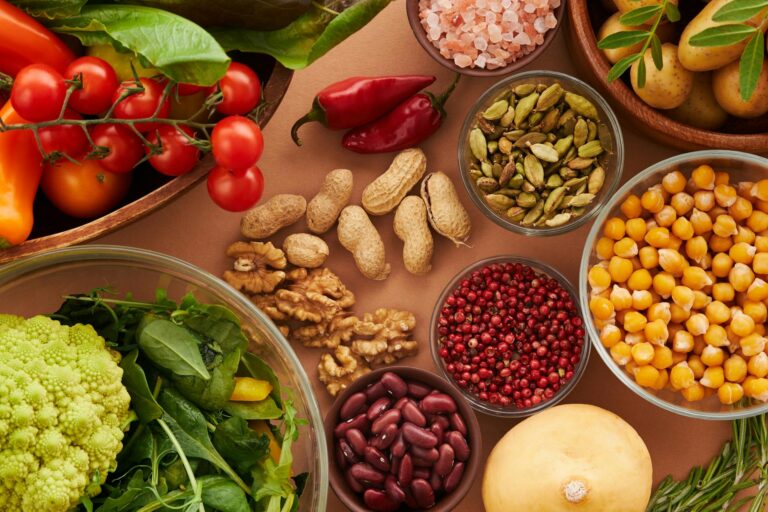
Vitamin B2, also known as riboflavin, is an essential water-soluble vitamin that plays an important role in energy production, cellular function, and maintaining overall health. It helps the body convert nutrients from food into usable energy and supports the normal functioning of the nervous system, skin, eyes, and red blood cells.
Although the body needs only small amounts of Vitamin B2, getting enough through a balanced diet is important for maintaining healthy metabolic processes and supporting daily activities.
At DigiStudyLab.in, we explore essential nutrients and their role in everyday health. Let’s understand the benefits of Vitamin B2, its food sources, and how it supports important functions throughout the body.
What Is Vitamin B2?
Vitamin B2, or riboflavin, is one of the eight B vitamins. It is a water-soluble nutrient, meaning the body does not store large amounts of it, and excess quantities are generally eliminated through urine.
Riboflavin helps the body produce two important coenzymes:
- Flavin mononucleotide (FMN)
- Flavin adenine dinucleotide (FAD)
These coenzymes participate in numerous biochemical reactions involved in energy production, nutrient metabolism, and cellular maintenance.
Because Vitamin B2 supports several essential processes, maintaining an adequate intake is important for normal growth, development, and overall well-being.
Health Benefits of Vitamin B2
Vitamin B2 contributes to several important functions in the human body. Here are some of its key benefits.
1. Supports Energy Production
One of the primary functions of Vitamin B2 is helping the body convert carbohydrates, fats, and proteins into usable energy.
Riboflavin-derived coenzymes participate in metabolic reactions that allow cells to produce adenosine triphosphate (ATP), the molecule that supplies energy for many cellular activities.
Adequate Vitamin B2 intake helps support normal energy metabolism and the body’s ability to use nutrients efficiently.
2. Supports Healthy Skin and Mucous Membranes
Vitamin B2 contributes to normal cellular growth and maintenance, including the health of the skin and mucous membranes.
A deficiency may cause symptoms such as cracked lips, inflammation around the mouth, and a sore or swollen tongue.
Getting sufficient riboflavin through a balanced diet helps maintain normal tissue function and supports overall skin health.
3. Helps Maintain Eye Health
Riboflavin is important for normal cellular processes in the eyes.
Adequate Vitamin B2 intake supports healthy tissues and contributes to the body’s antioxidant defense systems. Severe deficiency can affect the eyes and may cause symptoms such as sensitivity to light or eye discomfort.
A balanced diet containing Vitamin B2 is one part of maintaining overall eye health.
4. Supports the Nervous System
Vitamin B2 participates in metabolic reactions that help maintain normal cellular function, including in the nervous system.
Its coenzymes are involved in several biochemical pathways that support the metabolism of nutrients and the functioning of nerve cells.
Maintaining adequate riboflavin intake helps support normal nervous system function as part of a healthy diet.
5. Contributes to Red Blood Cell Function
Vitamin B2 is involved in processes that support the formation and maintenance of red blood cells.
Red blood cells transport oxygen from the lungs to tissues throughout the body. Riboflavin also helps the body use iron properly, making it relevant to normal red blood cell function.
However, anemia can have many causes, and Vitamin B2 deficiency is only one possible nutritional factor.
6. Supports Antioxidant Protection
Vitamin B2 contributes to the body’s antioxidant defense systems.
It helps support the activity of enzymes involved in maintaining the body’s balance between oxidants and antioxidants. One example is glutathione reductase, an enzyme that helps maintain the active form of glutathione.
Glutathione is an important antioxidant that helps protect cells from oxidative damage.
Vitamin B2 therefore contributes to normal cellular protection, although it should not be considered a treatment or guaranteed prevention for chronic diseases.
7. Helps the Body Metabolize Other Nutrients
Riboflavin-derived coenzymes participate in the metabolism of several nutrients, including other B vitamins.
For example, Vitamin B2 helps support the conversion of Vitamin B6 into its active form and participates in pathways involved in the metabolism of folate.
These interactions demonstrate why a balanced diet containing different vitamins and minerals is important for normal body function.
Vitamin B2-Rich Foods: What to Include in Your Diet
Vitamin B2 is available in a variety of animal-based and plant-based foods. Including different food sources in your regular meals can help you meet your daily nutritional requirements.
1. Dairy Products
Milk, yogurt, and cheese are useful dietary sources of riboflavin.
Dairy products also provide other nutrients, including calcium and protein, making them a convenient addition to a balanced diet.
2. Eggs
Eggs contain Vitamin B2 along with protein and other essential nutrients.
They can be prepared in different ways, such as boiled, scrambled, or incorporated into meals, depending on individual dietary preferences.
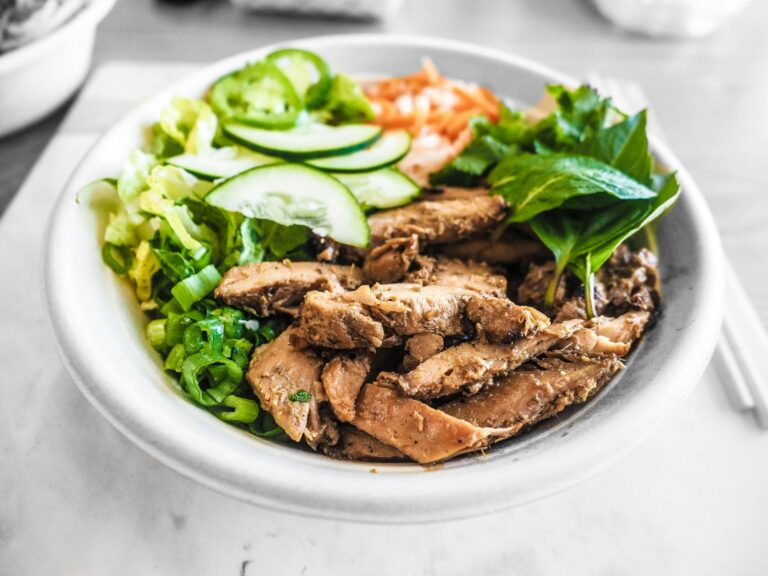
3. Poultry
Chicken and other poultry products provide riboflavin.
Including poultry as part of a varied diet can contribute to Vitamin B2 intake while also supplying protein and other nutrients.
4. Fish
Fish such as salmon and trout provide Vitamin B2.
Fish can also supply protein and other nutrients, making it a useful component of a balanced eating pattern.
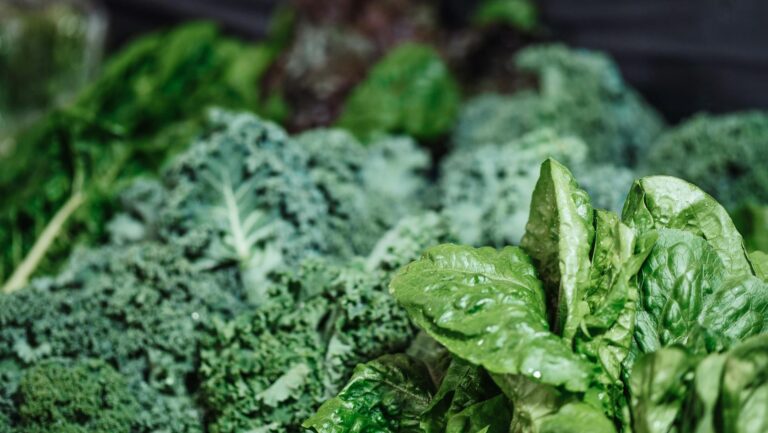
5. Leafy Green Vegetables
Vegetables such as spinach and broccoli contribute riboflavin along with fiber, vitamins, and minerals.
Including different vegetables in meals helps improve dietary variety and overall nutrient intake.
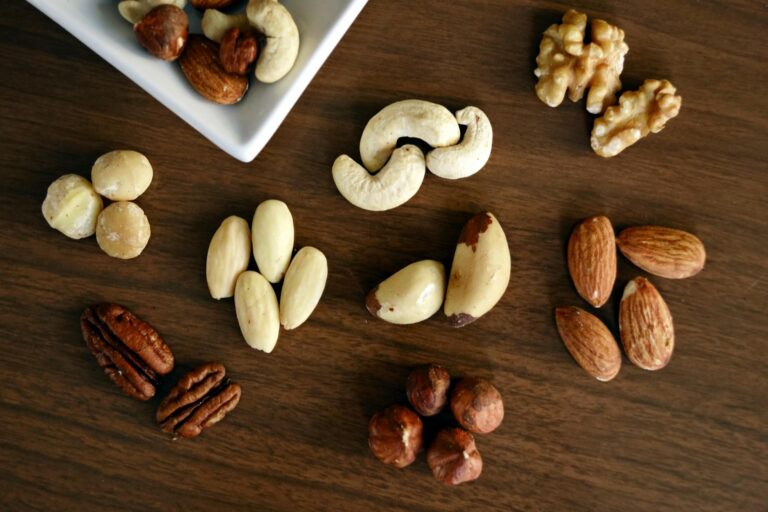
6. Nuts and Seeds
Almonds and sunflower seeds provide Vitamin B2.
Nuts and seeds also contain other nutrients, including healthy fats, protein, and minerals.
They can be added to meals, salads, or snacks as part of a balanced diet.
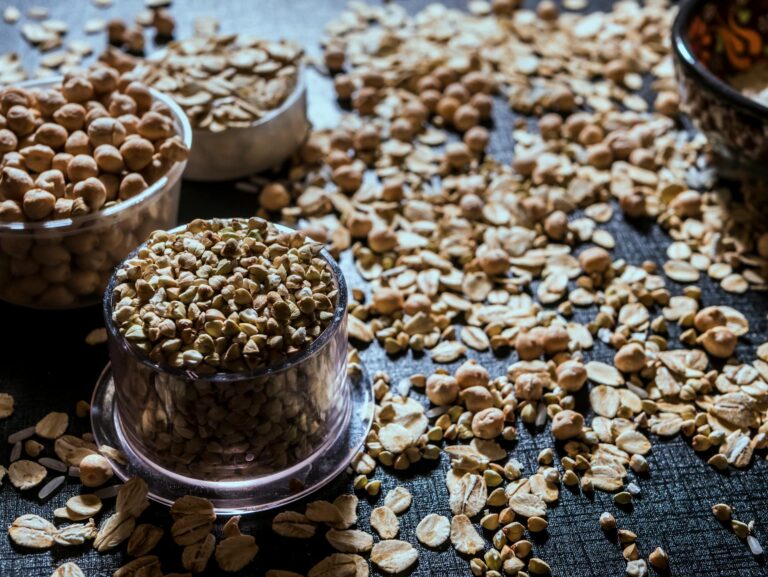
7. Whole Grains and Fortified Foods
Some whole grains contain riboflavin, while certain breakfast cereals and other grain products may be fortified with additional Vitamin B2.
Fortified foods can help increase nutrient intake, particularly when dietary choices are limited.
8. Nutritional Yeast
Some nutritional yeast products contain riboflavin, and certain varieties are fortified with additional B vitamins.
The amount varies by product, so checking the nutrition label can help determine how much Vitamin B2 it provides.
Understanding the Metabolic Functions of Vitamin B2
Vitamin B2 plays an important role in several biochemical pathways that help the body maintain normal cellular activity.
1. Energy Metabolism
Riboflavin is converted into FMN and FAD, two coenzymes involved in energy metabolism.
These coenzymes participate in reactions that help cells extract energy from carbohydrates, fats, and proteins.
FAD also plays an important role in the electron transport chain, a process involved in producing ATP.
Through these pathways, Vitamin B2 helps support the body’s normal energy requirements.
2. Fat and Carbohydrate Metabolism
Vitamin B2 supports the metabolic pathways that allow the body to use different nutrients.
FAD-dependent enzymes participate in fatty acid oxidation, a process through which the body breaks down fatty acids.
Riboflavin-derived coenzymes also participate in reactions involved in carbohydrate metabolism.
These functions help the body use nutrients from food to support cellular activity.
3. Antioxidant Enzyme Function
Riboflavin supports the function of enzymes involved in antioxidant protection.
For example, glutathione reductase uses FAD to help regenerate reduced glutathione.
This process supports the body’s ability to maintain cellular antioxidant defenses.
4. Cellular Maintenance
Vitamin B2 participates in biochemical reactions that help maintain normal cellular function.
Its coenzymes support metabolic processes involving proteins, fats, and carbohydrates.
These reactions are important for maintaining the normal activity of cells throughout the body.
5. Supporting the Metabolism of Other B Vitamins
Vitamin B2 participates in pathways involving other essential nutrients.
It helps support the metabolism of Vitamin B6 and contributes to processes involving folate.
These interactions highlight the importance of obtaining a variety of nutrients rather than focusing on a single vitamin in isolation.
How Much Vitamin B2 Do You Need?
Vitamin B2 requirements vary according to age, sex, and life stage.
The following are commonly used US dietary reference recommendations for adults:
| Group | Recommended daily intake |
|---|---|
| Adult men | 1.3 mg |
| Adult women | 1.1 mg |
| Pregnancy | 1.4 mg |
| Breastfeeding | 1.6 mg |
Children and teenagers have different requirements depending on their age.
These values are general dietary reference recommendations. Individual nutritional needs may vary, and local dietary guidelines may use different reference values.
A varied diet containing dairy products, eggs, vegetables, whole grains, nuts, seeds, and other nutrient-rich foods can help support adequate Vitamin B2 intake.
What Happens When You Don’t Get Enough Vitamin B2?
Vitamin B2 deficiency is known as riboflavin deficiency.
It is uncommon in people who consume a varied diet, but it can occur when dietary intake is inadequate or when certain health conditions affect nutrient absorption or utilization.
Possible symptoms include:
- Cracked lips or inflammation at the corners of the mouth
- A sore or swollen tongue
- Skin inflammation
- Sore throat
- Eye discomfort or sensitivity to light
- In some cases, anemia or other nutritional problems
Riboflavin deficiency may occur alongside deficiencies of other nutrients.
If you experience persistent symptoms or suspect a nutritional deficiency, consult a qualified healthcare professional for appropriate evaluation rather than relying on symptoms alone.
Should You Take Vitamin B2 Supplements?
Most people can obtain sufficient Vitamin B2 through a balanced diet.
Supplements may be appropriate for individuals who have inadequate dietary intake, certain absorption problems, or a deficiency identified by a healthcare professional.
However, taking additional Vitamin B2 does not automatically improve energy, skin health, or other functions when nutritional requirements are already being met.
Before using supplements, consider your dietary intake and seek professional advice if you have specific health concerns.
Conclusion: Make Vitamin B2 Part of a Balanced Diet
Vitamin B2, or riboflavin, is an essential nutrient that supports energy metabolism, cellular function, antioxidant defenses, and the normal functioning of the nervous system.
It also contributes to healthy skin, eye tissues, and red blood cell function.
Fortunately, Vitamin B2 is available in many everyday foods, including dairy products, eggs, poultry, fish, leafy green vegetables, nuts, seeds, whole grains, and fortified foods.
By including a variety of nutrient-rich foods in your diet, you can help meet your Vitamin B2 requirements and support overall health.
Explore more educational articles about vitamins, nutrition, and healthy living at DigiStudyLab.in.
Disclaimer: This article is intended for general educational purposes only and does not replace professional medical advice, diagnosis, or treatment. Consult a qualified healthcare professional for personalized nutritional guidance or concerns about vitamin deficiency.