Vitamin B1, also known as thiamine, is an essential nutrient that plays an important role in energy metabolism, nervous system function, and maintaining overall health. Although it is required in relatively small amounts, this vitamin supports several important processes that help the body function properly.
From helping the body convert nutrients into energy to supporting normal nerve and heart function, Vitamin B1 contributes to many essential biological activities.
At DigiStudyLab.in, we provide educational information about health, nutrition, vitamins, vegetables, fruits, and healthy living to help readers make informed lifestyle choices.
In this article, we will explore what Vitamin B1 is, its health benefits, food sources, metabolic functions, and the importance of maintaining adequate thiamine intake.
What Is Vitamin B1?
Vitamin B1, or thiamine, is a water-soluble vitamin belonging to the B vitamin family.
It is essential for converting nutrients from food into energy and supporting the normal functioning of the nervous system, muscles, and other tissues.
Because Vitamin B1 is water-soluble, the body does not store large amounts of it for long periods. Regular dietary intake is therefore important for maintaining adequate levels.
Thiamine is particularly important for the metabolism of carbohydrates, although it also participates in other metabolic processes involving fats and proteins.
The active form of Vitamin B1 in the body is called thiamine pyrophosphate (TPP), which acts as a cofactor for several important enzymes.
These enzymes help the body carry out reactions necessary for energy production and normal cellular activity.
7 Important Health Benefits of Vitamin B1
Vitamin B1 supports several essential functions throughout the body. Here are seven important benefits of maintaining adequate thiamine intake.
1. Supports Energy Production
One of the most important functions of Vitamin B1 is helping the body produce energy from food.
Thiamine acts as a cofactor for enzymes involved in carbohydrate metabolism.
These enzymes help convert nutrients into compounds that can enter important energy-producing pathways within cells.
Through these processes, the body produces adenosine triphosphate (ATP), which provides energy for cellular activities.
Although Vitamin B1 does not directly provide calories, it helps the body use nutrients efficiently.
Maintaining adequate thiamine intake supports normal energy metabolism and helps prevent deficiencies that can interfere with energy production.
2. Supports Nervous System Health
Vitamin B1 is essential for maintaining normal nervous system function.
The brain and nervous system require a continuous supply of energy to support communication between nerve cells and other important activities.
Thiamine participates in metabolic processes that help nerve cells obtain the energy they need.
It also contributes to the normal functioning of nerve tissues.
Insufficient Vitamin B1 can interfere with neurological function and, when deficiency becomes severe, may cause serious nervous system complications.
Obtaining adequate thiamine through a balanced diet is important for maintaining normal nerve health.
3. Helps Maintain Healthy Heart Function
Vitamin B1 contributes to the normal functioning of the cardiovascular system.
The heart is a muscle that requires energy to pump blood throughout the body.
Thiamine supports the metabolic processes involved in producing this energy.
Severe Vitamin B1 deficiency can affect heart function and may contribute to cardiovascular complications.
Maintaining adequate thiamine intake is therefore important for normal heart and muscle function.
However, consuming additional Vitamin B1 does not automatically improve heart health when a person’s nutritional needs are already being met.
4. Supports Brain Function
The brain requires a continuous supply of energy to maintain normal cognitive and neurological activities.
Vitamin B1 participates in metabolic pathways that help provide this energy.
Thiamine also contributes to the normal functioning of nerve cells and processes involved in cellular communication.
A deficiency can affect brain function and, in severe cases, may lead to confusion, memory-related problems, and other neurological symptoms.
Adequate Vitamin B1 intake is important for maintaining normal brain function.
However, taking additional thiamine has not been established as a general method for improving memory or cognitive performance in people without a deficiency.
5. Supports Carbohydrate Metabolism
Vitamin B1 plays an important role in carbohydrate metabolism.
When carbohydrates are consumed, the body breaks them down into simpler compounds that can be used for energy.
Thiamine helps enzymes process certain intermediate compounds during these metabolic reactions.
One important function of thiamine is supporting the conversion of pyruvate into acetyl-CoA, which can enter the citric acid cycle.
This pathway contributes to the production of cellular energy.
By participating in these reactions, Vitamin B1 helps maintain normal carbohydrate metabolism.
6. Supports Muscle Function
Vitamin B1 contributes to the normal functioning of muscles.
Muscle cells require energy to contract and perform their activities.
Thiamine supports metabolic processes that help provide this energy.
It also contributes to the normal functioning of nerve cells that communicate with muscles.
Adequate Vitamin B1 intake is therefore important for maintaining normal muscle and nervous system function.
Severe deficiency may contribute to muscle weakness and other symptoms affecting physical function.
7. Supports Normal Digestive and Cellular Functions
Vitamin B1 participates in metabolic processes that support the normal functioning of different tissues.
It helps the body process nutrients and produce energy required for cellular activity.
Thiamine also supports the normal functioning of tissues that depend on energy for their daily activities.
Although Vitamin B1 is important for overall metabolism, it should not be considered a direct treatment for digestive problems or a guaranteed way to improve nutrient absorption.
Maintaining adequate intake through a balanced diet supports normal physiological functions.
Vitamin B1-Rich Foods: What Should You Include in Your Diet?
Vitamin B1 is available in a variety of foods.
Including different sources of thiamine in your daily meals can help maintain adequate intake.
Here are some common foods that provide Vitamin B1.
1. Whole Grains
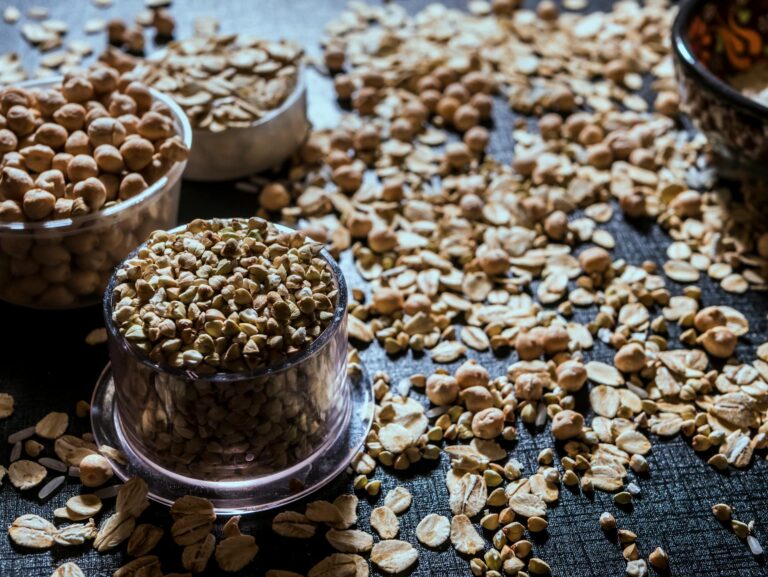
Whole grains are useful sources of Vitamin B1.
Examples include:
- Oats
- Brown rice
- Whole wheat
- Barley
- Whole-grain bread
Thiamine is naturally present in the outer layers and germ of grains.
Refining grains can remove some of these parts, reducing their thiamine content.
Whole grains can therefore contribute to a nutritious diet while providing fiber and other essential nutrients.
2. Pork
Pork is one of the richest animal-based food sources of Vitamin B1.
It provides thiamine along with protein and other nutrients.
Including appropriately prepared pork in a balanced diet can help increase thiamine intake.
The amount of Vitamin B1 varies depending on the cut, preparation, and cooking method.
3. Sunflower Seeds
Sunflower seeds provide Vitamin B1 along with healthy fats, protein, and other nutrients.
They can be added to salads, vegetable dishes, or other meals.
Sunflower seeds are a convenient way to include additional thiamine in your diet.
However, portion sizes should be considered as part of an overall balanced eating pattern.
4. Legumes
Legumes are valuable sources of several nutrients, including Vitamin B1.
Examples include:
- Lentils
- Beans
- Peas
- Chickpeas
These foods also provide protein, fiber, and minerals.
Including legumes in meals can help improve dietary variety and contribute to adequate thiamine intake.
They are particularly useful for people following vegetarian or vegan eating patterns.
5. Nuts
Certain nuts provide Vitamin B1.
Examples include:
- Pistachios
- Pecans
- Almonds
- Peanuts
Their thiamine content varies by type.
Nuts also provide healthy fats, protein, fiber, and other important nutrients.
Including moderate portions of nuts in a balanced diet can contribute to overall nutritional quality.
6. Fish
Some fish provide Vitamin B1 along with protein and other essential nutrients.
Salmon and other fish can contribute to a varied diet.
However, thiamine content differs among fish species and can be affected by preparation and cooking.
Fish is also a source of other nutrients, including omega-3 fatty acids in certain varieties.
7. Nutritional Yeast and Fortified Foods
Nutritional yeast can provide Vitamin B1 and other B vitamins.
Some products are fortified with additional vitamins, so their nutritional content varies.
Fortified breakfast cereals and certain grain products can also contribute thiamine.
Checking nutrition labels can help you understand how much Vitamin B1 a particular food provides.
Understanding the Metabolic Functions of Vitamin B1
Vitamin B1 is involved in several important metabolic processes.
Its active form, thiamine pyrophosphate, helps enzymes carry out reactions that are essential for energy production and normal cellular function.
Let’s explore its major metabolic functions.
1. Energy Metabolism
Thiamine participates in reactions that help the body convert nutrients into energy.
One important enzyme that requires thiamine is pyruvate dehydrogenase.
This enzyme helps convert pyruvate into acetyl-CoA.
Acetyl-CoA can then enter the citric acid cycle, which participates in the production of cellular energy.
Thiamine is also required by enzymes involved in the metabolism of certain amino acids.
These processes help the body use nutrients efficiently.
2. Carbohydrate Metabolism
Vitamin B1 plays an important role in processing carbohydrates.
When carbohydrates are broken down, they produce intermediate compounds that must be processed through different metabolic pathways.
Thiamine helps enzymes carry out certain reactions involved in this process.
One important example is the conversion of pyruvate into acetyl-CoA.
This reaction connects carbohydrate metabolism with the citric acid cycle.
Adequate thiamine is therefore important for normal carbohydrate metabolism.
3. The Citric Acid Cycle
The citric acid cycle is an important metabolic pathway involved in cellular energy production.
It processes acetyl-CoA and generates compounds that contribute to ATP production through additional metabolic reactions.
Thiamine supports this pathway indirectly by helping enzymes produce acetyl-CoA from pyruvate.
It also serves as a cofactor for alpha-ketoglutarate dehydrogenase, an enzyme involved directly in the citric acid cycle.
These functions make thiamine important for maintaining normal energy metabolism.
4. The Pentose Phosphate Pathway
Vitamin B1 also participates in the pentose phosphate pathway.
This pathway helps the body produce important compounds required for cellular function.
Thiamine is a cofactor for transketolase, an enzyme involved in this pathway.
The pentose phosphate pathway contributes to the production of ribose-5-phosphate, which is used in the synthesis of nucleotides.
It also helps generate NADPH, a compound involved in antioxidant defense and other cellular processes.
Through these functions, thiamine contributes to normal cellular metabolism.
5. Nervous System Metabolism
The nervous system depends on energy-producing processes to maintain normal function.
Thiamine supports metabolic pathways that help nerve cells obtain energy.
It also participates in processes that contribute to the normal functioning of nerve tissues.
When thiamine levels are severely reduced, the nervous system can be affected.
This is one reason why maintaining adequate Vitamin B1 intake is important for neurological health.
6. Muscle and Cardiovascular Metabolism
Muscles require energy to perform their functions.
The heart, in particular, continuously uses energy to maintain circulation.
Thiamine supports metabolic reactions that help produce energy from nutrients.
When thiamine deficiency becomes severe, energy metabolism may be disrupted, affecting muscles and cardiovascular function.
Adequate intake contributes to normal metabolic activity in these tissues.
How Much Vitamin B1 Does the Body Need?
Vitamin B1 requirements vary according to age, sex, pregnancy, breastfeeding, and individual nutritional needs.
For adults, commonly used recommended dietary allowances are:
- Adult men: 1.2 milligrams per day.
- Adult women: 1.1 milligrams per day.
- Pregnancy: 1.4 milligrams per day.
- Breastfeeding: 1.4 milligrams per day.
These values are general dietary reference amounts based on commonly used US recommendations.
Children and adolescents have different requirements depending on their age.
Individual needs may also vary depending on dietary patterns, health conditions, and other factors.
Most people can obtain sufficient Vitamin B1 through a balanced diet containing a variety of nutritious foods.
People with certain medical conditions or nutritional deficiencies may require individualized guidance from a healthcare professional.
What Happens If You Do Not Get Enough Vitamin B1?
Vitamin B1 deficiency can interfere with energy metabolism and normal nervous system function.
The effects depend on how severe the deficiency is and how long it continues.
Possible symptoms include:
- Fatigue
- Weakness
- Reduced appetite
- Irritability
- Muscle discomfort
- Numbness or tingling
- Difficulty concentrating
Severe deficiency can cause serious health complications.
Beriberi
Beriberi is a condition associated with severe Vitamin B1 deficiency.
It can affect the nervous system, muscles, and cardiovascular system.
Different forms of beriberi may produce different symptoms.
Some affect nerve function and muscle strength, while others can cause serious cardiovascular complications.
Wernicke Encephalopathy
Severe thiamine deficiency can also cause Wernicke encephalopathy, a serious neurological condition.
It is particularly associated with certain risk factors, including chronic alcohol misuse and inadequate nutritional intake.
Symptoms may include confusion, problems with coordination, and abnormal eye movements.
Wernicke encephalopathy requires urgent medical attention.
These conditions demonstrate why adequate Vitamin B1 intake is important for maintaining normal health.
Can You Take Vitamin B1 Supplements?
Vitamin B1 supplements may be useful for people who have inadequate intake, certain medical conditions, or a diagnosed deficiency.
However, supplementation is not automatically necessary for everyone.
A balanced diet containing whole grains, legumes, nuts, seeds, and other thiamine-rich foods can help many people meet their nutritional requirements.
People with certain health conditions or absorption problems may require additional guidance.
Vitamin B1 supplements are generally well tolerated when used appropriately, but taking supplements should not replace a nutritious diet or medical treatment when needed.
If you experience persistent fatigue, weakness, neurological symptoms, or other unexplained health concerns, consult a qualified healthcare professional.
Conclusion
Vitamin B1, also known as thiamine, is an essential nutrient that supports energy metabolism, nervous system function, muscle activity, and normal cellular processes.
It helps the body convert nutrients into usable energy and participates in important metabolic pathways, including carbohydrate metabolism and the citric acid cycle.
Foods such as whole grains, pork, legumes, sunflower seeds, nuts, fish, and fortified products can contribute to adequate Vitamin B1 intake.
Maintaining a balanced diet that includes a variety of nutrient-rich foods is an important way to support overall health and nutritional well-being.
At DigiStudyLab.in, our goal is to make educational information about vitamins, nutrition, health, and healthy living accessible to everyone.
Explore more health and nutrition articles on DigiStudyLab.in to continue learning about essential nutrients and their role in maintaining a healthy lifestyle.
Disclaimer: This article is intended for general educational purposes only and should not be considered medical advice. Individual nutritional requirements vary. Consult a qualified healthcare professional for personalized guidance, diagnosis, or recommendations regarding Vitamin B1 supplements.