In today’s competitive job market, employability is no longer determined only by academic qualifications. While degrees continue to hold value, employers increasingly prioritize practical abilities, adaptability, communication, and problem-solving skills. The modern workplace demands individuals who can contribute effectively from the first day, not just those who possess theoretical knowledge.
Skill development plays a crucial role in bridging the gap between education and employment. It transforms learners into job-ready individuals by equipping them with competencies that align with industry requirements. As industries evolve and technology advances, understanding how skill development improves employability becomes essential for students, job aspirants, and lifelong learners.
Educational platforms such as Digistudylab.in focus on creating awareness about skill-based learning and career readiness, helping individuals understand the importance of developing abilities that enhance professional opportunities.
Understanding Employability in the Modern Context
Employability refers to the ability of an individual to gain and maintain employment. It involves not just obtaining a job but also sustaining performance, adapting to changes, and progressing within a career.
Traditionally, employability was associated mainly with formal qualifications. However, modern organizations evaluate a broader set of attributes. Employers now assess communication skills, technical competence, teamwork, emotional intelligence, and learning agility.
The job market has become more dynamic due to globalization, automation, and digital transformation. As a result, employability depends heavily on how well individuals can apply their knowledge in real-world situations.
Why Employers Prefer Skilled Candidates
Employers seek efficiency, innovation, and adaptability. Skilled candidates meet these expectations more effectively than those who rely solely on theoretical knowledge.
One major reason employers prefer skilled individuals is immediate productivity. Practical training enables candidates to perform tasks without extensive supervision or retraining. This reduces operational costs and increases efficiency.
Another important factor is problem-solving ability. Skilled professionals can analyze challenges, propose solutions, and adapt to unexpected situations. These qualities are highly valuable in fast-paced industries.
Communication skills also influence hiring decisions. Organizations function through collaboration and teamwork. Candidates who can express ideas clearly and interact professionally are often preferred.
Adaptability is another key reason. As technologies and processes evolve, employers value individuals who are open to learning and capable of adjusting to new environments.
Skill Development and Career Readiness
Career readiness involves possessing the competencies required to enter and succeed in the workforce. Skill development directly contributes to this readiness.
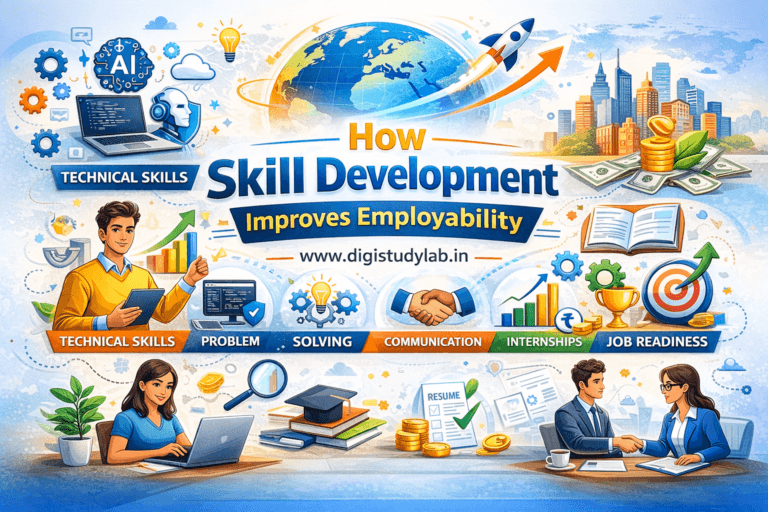
Practical exposure, internships, workshops, and project-based learning provide learners with real-world experience. This exposure builds confidence and enhances understanding of workplace expectations.
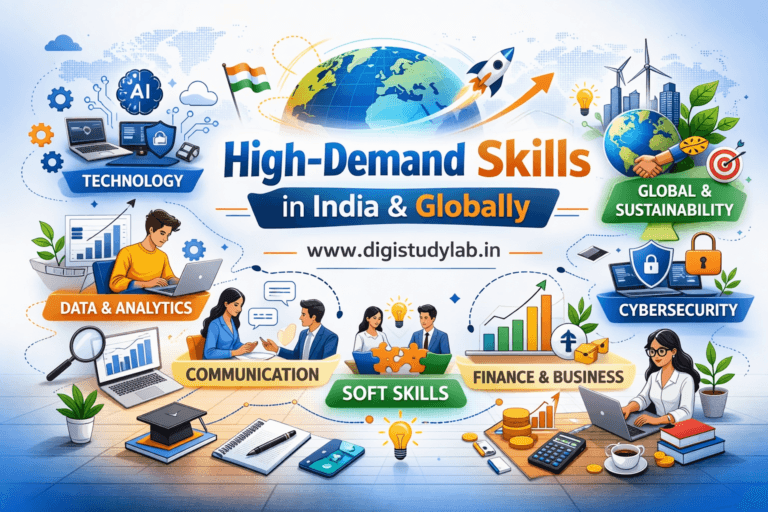
Technical skills, such as digital literacy, data handling, and tool proficiency, prepare individuals for modern industries. At the same time, soft skills such as teamwork, time management, and emotional intelligence ensure professional effectiveness.
Career readiness also includes understanding workplace culture, ethical practices, and professional responsibilities. Skill development programs often incorporate these aspects to prepare learners comprehensively.
The Role of Technical Skills in Employability
Technical skills refer to specific abilities related to tools, technologies, or professional practices. In many industries, technical competence is a primary hiring criterion.
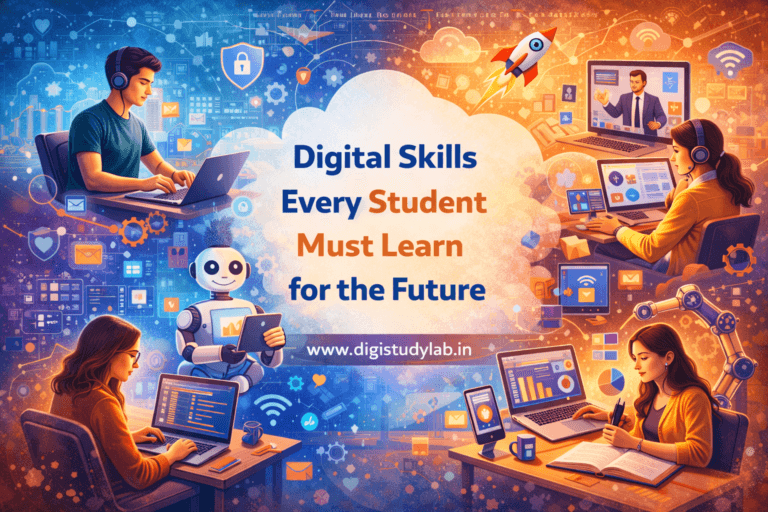
For example, proficiency in digital tools, coding languages, design software, or analytical platforms enhances employability in technology-driven sectors. Even in non-technical fields, familiarity with digital systems is essential.
Technical skills demonstrate practical competence. They provide evidence that a candidate can perform tasks relevant to the job role. Employers view such skills as indicators of preparedness and initiative.
Continuous upgrading of technical abilities ensures long-term employability, especially in industries that evolve rapidly.
The Importance of Soft Skills in the Workplace
While technical expertise is essential, soft skills often determine professional success. Communication, teamwork, leadership, and adaptability contribute significantly to workplace effectiveness.
Strong communication skills enable individuals to present ideas clearly, collaborate with colleagues, and build professional relationships. In global work environments, effective communication is particularly valuable.
Teamwork and collaboration ensure smooth project execution. Most modern workplaces operate in team-based structures. Individuals who can cooperate and contribute positively enhance organizational productivity.
Leadership qualities, even at entry-level positions, demonstrate initiative and responsibility. Employers value candidates who take ownership of tasks and guide others when necessary.
Emotional intelligence helps professionals manage stress, resolve conflicts, and maintain positive interactions.
How Skill Development Reduces the Education-Industry Gap
One of the major challenges in employment is the gap between academic learning and industry expectations. Many graduates possess theoretical knowledge but lack practical application skills.
Skill development bridges this gap by integrating real-world exposure into learning. Through projects, internships, and simulations, learners understand industry standards and workflows.
Exposure to practical tasks allows individuals to apply concepts learned in classrooms. This integration of theory and practice enhances employability significantly.
Organizations prefer candidates who understand workplace dynamics and can adapt quickly. Skill-based education supports this transition from academic environments to professional settings.
Skill Development and Competitive Advantage
In competitive job markets, differentiation is crucial. Skill development provides a competitive advantage by enhancing individual profiles.
Candidates who possess additional certifications, practical training, or project experience stand out during recruitment processes. Demonstrating competence through practical achievements increases credibility.
Skill development also supports confidence during interviews. Individuals who have hands-on experience can discuss real examples, strengthening their professional image.
In entrepreneurial contexts, practical skills enable individuals to create opportunities independently.
Adaptability and Lifelong Learning
Employability is not static; it requires continuous growth. Skill development fosters a mindset of lifelong learning, ensuring long-term relevance.
Industries evolve due to technological advancements and economic shifts. Professionals who update their skills remain competitive and adaptable.
Learning agility enables individuals to acquire new competencies quickly. Employers value candidates who demonstrate curiosity and willingness to improve.
Continuous learning supports career progression, promotions, and role transitions.
The Role of Internships and Practical Training
Internships provide real-world exposure that significantly enhances employability. They allow learners to understand workplace expectations, develop professional networks, and apply academic knowledge.
Practical training builds confidence and improves task execution skills. It also helps individuals identify their strengths and interests.
Employers often consider internship experience as proof of practical competence.
Digital Platforms and Skill Development
Digital learning platforms have expanded access to skill development opportunities. Online courses, workshops, and virtual training programs provide flexible learning options.
Platforms like Digistudylab.in contribute by offering educational and informative content focused on career readiness, skill awareness, and modern workforce trends. Such resources help learners understand which skills to develop and how to apply them effectively.
How Students Can Improve Employability
Students can enhance employability by focusing on both technical and soft skills. Participating in projects, internships, and extracurricular activities builds practical exposure.
Developing digital literacy, communication skills, and analytical thinking strengthens professional readiness.
Seeking mentorship and staying informed about industry trends supports strategic career planning.
Building a portfolio that showcases practical achievements increases visibility during recruitment.
Long-Term Benefits of Skill Development
Skill development provides long-term advantages beyond initial employment. It supports career growth, adaptability, and personal development.
Professionals who invest in skill improvement often experience better job stability and advancement opportunities.
Skill-based learning encourages confidence and independence. It prepares individuals not only for jobs but also for leadership roles and entrepreneurship.
Conclusion
Skill development plays a vital role in improving employability in the modern workforce. While academic qualifications provide foundational knowledge, practical abilities determine job readiness and professional effectiveness.
Employers increasingly prioritize technical competence, communication skills, adaptability, and continuous learning. Skill development bridges the gap between education and industry expectations, ensuring smoother transitions into professional environments.
By integrating practical exposure with theoretical understanding, individuals enhance their competitiveness and career prospects. Educational platforms such as Digistudylab.in support this journey by spreading awareness about skill-based learning and employability strategies.
In a rapidly changing world, the ability to learn, adapt, and apply knowledge effectively defines success. Skill development is not merely an option — it is a necessity for sustainable career growth.