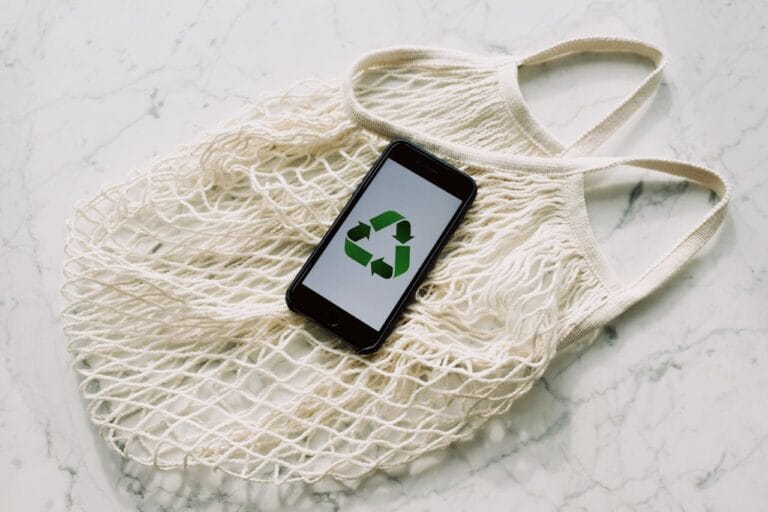
Introduction: The Importance of Embracing a Zero-Waste Lifestyle
As environmental concerns rise, adopting a zero-waste lifestyle is becoming an essential part of reducing pollution, conserving resources, and promoting sustainability. A zero-waste lifestyle focuses on minimizing waste by reusing, repurposing, and recycling materials, ultimately reducing the amount of trash sent to landfills and incinerators. On Digistudylab.in, we aim to guide you through practical strategies to help you transition toward a zero-waste lifestyle without overwhelming changes to your daily routine.
This comprehensive guide explores simple yet impactful adjustments that can help you lead a more sustainable life. From reducing single-use plastics to composting organic waste, small changes can lead to significant environmental benefits over time.
1. Start with a Waste Audit
A waste audit helps you understand your current consumption patterns and identify areas where you can reduce waste.
How to Conduct a Waste Audit:
- Collect and categorize your trash for one week.
- Identify the most common waste items, such as plastic packaging, food scraps, and paper products.
- Assess which items can be eliminated, reused, or replaced with sustainable alternatives.
This process highlights wasteful habits and guides you in making targeted adjustments to reduce overall waste production.
2. Reduce Single-Use Plastics
Single-use plastics are one of the largest contributors to environmental pollution. Minimizing their use is a critical step in adopting a zero-waste lifestyle.
Alternatives to Single-Use Plastics:
- Use reusable cloth bags, stainless steel straws, and glass jars.
- Carry a reusable water bottle and coffee cup.
- Opt for biodegradable or compostable packaging when available.
By consistently choosing reusable alternatives, you significantly cut down on plastic waste and reduce your environmental footprint.
3. Embrace Bulk Shopping
Buying in bulk reduces packaging waste and allows you to purchase only the amount you need, minimizing food waste.
Bulk Shopping Tips:
- Bring your own reusable containers and bags.
- Choose local stores or farmers’ markets that support bulk purchasing.
- Focus on staples such as grains, nuts, and dried fruits.
Bulk shopping promotes sustainable consumption and often leads to financial savings in the long run.
4. Compost Organic Waste
Composting diverts food scraps and yard waste from landfills, enriching soil and reducing methane emissions.
How to Start Composting:
- Designate a space in your backyard or use a composting bin indoors.
- Add equal parts green (fruit peels, coffee grounds) and brown (dry leaves, paper) materials.
- Turn the compost regularly and keep it moist to accelerate decomposition.
Composting not only reduces waste but also creates nutrient-rich soil that enhances plant growth.
5. Opt for Reusable Household Items
Replacing disposable household items with reusable alternatives is a simple yet effective way to reduce waste.
Reusable Household Items to Consider:
- Cloth napkins and towels instead of paper products.
- Glass or stainless steel food containers.
- Beeswax wraps to replace plastic wrap.
These small swaps lead to significant reductions in household waste over time.
6. Practice Minimalism
Minimalism focuses on living with less and only keeping items that serve a purpose or bring joy. This mindset reduces consumption and waste generation.
Steps to Embrace Minimalism:
- Declutter your home and donate unused items.
- Prioritize quality over quantity when making purchases.
- Avoid impulse buying by asking if the item is necessary.
Minimalism aligns with zero-waste principles by discouraging excess and encouraging thoughtful consumption.
7. Support Sustainable Brands
Many brands are committed to producing eco-friendly products using sustainable practices. Supporting these companies encourages the market to prioritize sustainability.
How to Identify Sustainable Brands:
- Look for certifications like Fair Trade, B Corp, and Rainforest Alliance.
- Research a brand’s supply chain and environmental policies.
- Choose products made from recycled or biodegradable materials.
By supporting ethical brands, you contribute to reducing environmental degradation and promoting fair labor practices.
8. Repair and Repurpose Items
Repairing and repurposing items extends their lifespan, reducing the need for new purchases and minimizing waste.
Ideas for Repair and Repurposing:
- Mend clothing instead of discarding it.
- Upcycle old furniture into new home decor.
- Use glass jars for storage or as planters.
Embracing a mindset of repair and creativity leads to more sustainable living.
9. Engage in Community Initiatives
Joining community-driven zero-waste initiatives fosters collaboration and amplifies positive environmental impact.
Ways to Get Involved:
- Participate in local clean-up events.
- Join zero-waste workshops and swap meets.
- Advocate for recycling programs in your neighborhood.
Community engagement builds collective awareness and strengthens sustainability efforts on a larger scale.
10. Educate and Inspire Others
Sharing your zero-waste journey can inspire friends and family to adopt sustainable habits.
Ways to Educate Others:
- Share zero-waste tips on social media.
- Host informational sessions or workshops.
- Gift reusable products to introduce others to sustainable living.
Creating awareness and encouraging others to participate helps expand the reach of zero-waste initiatives.
Conclusion
Adopting a zero-waste lifestyle is a gradual process that starts with small, mindful changes. By reducing single-use plastics, composting organic waste, and supporting sustainable brands, you contribute to a healthier environment and inspire others to follow suit.
Explore more sustainability tips and resources at Digistudylab.in to continue your journey toward a zero-waste lifestyle.