Introduction: Why Eco-Friendly Home Improvements Matter
As awareness of environmental issues grows, homeowners are seeking practical ways to reduce their carbon footprint and create more energy-efficient living spaces. Eco-friendly home improvements not only contribute to a healthier planet but also lead to long-term savings on utility bills. On Digistudylab.in, we provide guidance on simple yet impactful upgrades that make homes greener, more sustainable, and future-ready.
Incorporating eco-friendly improvements does not have to be expensive or complex. Small changes, such as upgrading light fixtures or sealing gaps around doors, can lead to noticeable reductions in energy consumption. Whether you are planning a large-scale renovation or taking smaller steps, each effort counts towards creating an environmentally conscious home. By implementing sustainable upgrades, you foster a healthier living environment for your family while supporting global sustainability initiatives.
1. Install Energy-Efficient Windows and Doors
Windows and doors are essential components that affect your home’s insulation and energy usage. Upgrading to energy-efficient models reduces heat loss in winter and keeps interiors cool during summer. These upgrades not only enhance comfort but also significantly reduce reliance on heating and cooling systems.
Benefits of Energy-Efficient Windows:
- Lower energy bills due to reduced heating and cooling needs.
- Improved indoor comfort by maintaining consistent temperatures.
- Minimized drafts and external noise.
- Reduces UV damage to furniture and flooring by blocking harmful rays.
Look for double or triple-glazed windows with low-E coatings to maximize efficiency. Additionally, weatherstripping doors and sealing gaps further enhance insulation. Adding window treatments such as insulated curtains or cellular shades can provide extra layers of insulation, further improving energy efficiency.
2. Switch to LED Lighting
Lighting accounts for a significant portion of household energy use. Replacing traditional incandescent bulbs with LED lights is a cost-effective way to reduce electricity consumption.
Advantages of LED Lighting:
- Uses up to 80% less energy than traditional bulbs.
- Lasts significantly longer, reducing the need for frequent replacements.
- Available in various color temperatures to suit different rooms.
- Reduces heat output, lowering the strain on cooling systems during summer.
LED lighting enhances aesthetics while contributing to a more energy-conscious home. Consider installing dimmer switches and motion sensors to ensure lights are only used when needed, adding another layer of efficiency.
3. Upgrade to Energy Star Appliances
Home appliances, including refrigerators, washing machines, and dishwashers, consume large amounts of energy. Energy Star-rated appliances are designed to use less energy and water without compromising performance.
Key Appliances to Upgrade:
- Refrigerators
- Dishwashers
- Washing machines
- Air conditioners
- Water heaters
By upgrading to energy-efficient models, you lower utility costs and contribute to reducing greenhouse gas emissions. Consider replacing outdated appliances gradually to spread the cost over time, prioritizing those with the highest energy consumption.
4. Install Solar Panels
Solar panels provide a renewable energy source that decreases reliance on non-renewable electricity. While the upfront cost can be high, the long-term benefits make solar energy a worthwhile investment.
Reasons to Consider Solar Panels:
- Drastically reduces electricity bills.
- Lowers carbon emissions.
- Increases property value.
- Provides energy independence during power outages.
Many governments offer incentives and rebates for solar panel installations, making the transition more affordable. Pairing solar panels with battery storage systems allows you to store excess energy for use during peak hours or emergencies, maximizing efficiency.
5. Use Low-Flow Water Fixtures
Water conservation is essential for sustainable living. Installing low-flow faucets, showerheads, and toilets reduces water usage without sacrificing performance.
Benefits of Low-Flow Fixtures:
- Reduces water consumption by up to 50%.
- Lowers water bills.
- Supports local water conservation efforts.
- Decreases strain on municipal water supplies.
These fixtures are simple to install and immediately contribute to more efficient water use at home. Incorporating greywater systems to recycle water from sinks and showers further enhances conservation efforts.
6. Incorporate Smart Home Technology
Smart home devices optimize energy use by automating heating, lighting, and appliance management. These systems adjust based on occupancy, reducing unnecessary energy consumption.
Popular Smart Home Upgrades:
- Smart thermostats
- Automated lighting systems
- Smart plugs and power strips
- Home energy monitoring systems
Integrating smart technology into your home makes energy efficiency convenient and manageable. These devices can learn your routines and make adjustments automatically, ensuring energy is used only when necessary.
7. Use Sustainable Building Materials
When renovating or constructing, choosing sustainable materials minimizes environmental impact and promotes resource conservation.
Eco-Friendly Building Materials:
- Reclaimed wood
- Recycled metal and glass
- Bamboo flooring
- Cork panels
- Recycled concrete
These materials not only look great but also reduce the demand for virgin resources, contributing to a more circular economy. Sourcing materials locally reduces transportation emissions, further enhancing the sustainability of your project.
8. Improve Home Insulation
Proper insulation is one of the most effective ways to reduce energy consumption. Well-insulated homes require less heating and cooling, lowering energy use year-round.
Areas to Focus on:
- Attics and basements
- Walls and floors
- Around doors and windows
- Ductwork and pipes
Using eco-friendly insulation materials, such as cellulose or sheep’s wool, further enhances your home’s sustainability. Sealing small cracks and leaks around your home can drastically improve insulation without requiring major renovations.
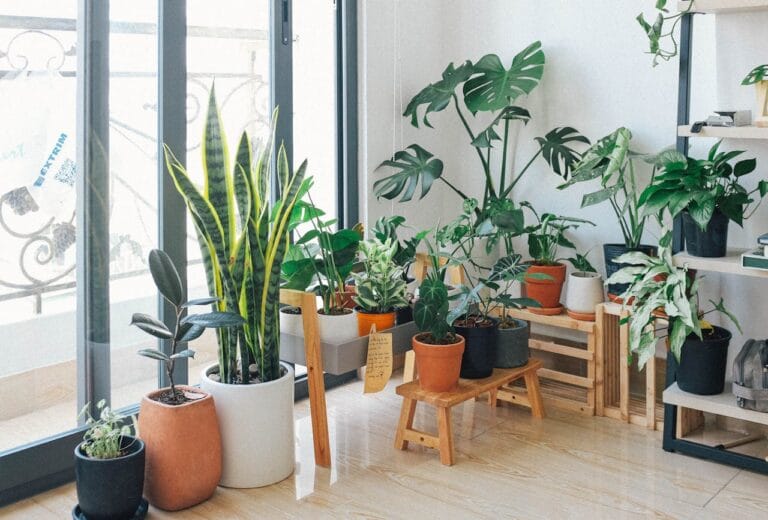
9. Start a Green Roof or Vertical Garden
Green roofs and vertical gardens improve insulation, reduce heat absorption, and enhance air quality. They also provide aesthetic value and create habitats for wildlife.
Advantages of Green Roofs:
- Regulates indoor temperature.
- Absorbs rainwater, reducing runoff.
- Supports urban biodiversity.
- Extends the lifespan of roofing materials by protecting them from UV exposure.
Vertical gardens can be installed indoors or on exterior walls, offering a natural touch to urban living spaces. These features not only contribute to sustainability but also improve mental health by bringing more greenery into daily life.
10. Install a Rainwater Harvesting System
Rainwater harvesting systems collect and store rainwater for irrigation, reducing dependence on municipal water supplies.
Ways to Use Harvested Rainwater:
- Watering plants and gardens.
- Flushing toilets.
- Washing outdoor areas.
- Refilling ponds or water features.
Harvesting rainwater is a practical and sustainable solution for water conservation, especially in regions prone to drought.
Conclusion
Eco-friendly home improvements are not just trends – they represent the future of sustainable living. By integrating these practical upgrades, you contribute to environmental preservation while enhancing the comfort and efficiency of your home. Small, incremental changes can collectively lead to significant environmental impact.
Explore more home improvement ideas and resources at Digistudylab.in to continue your journey toward sustainable living.