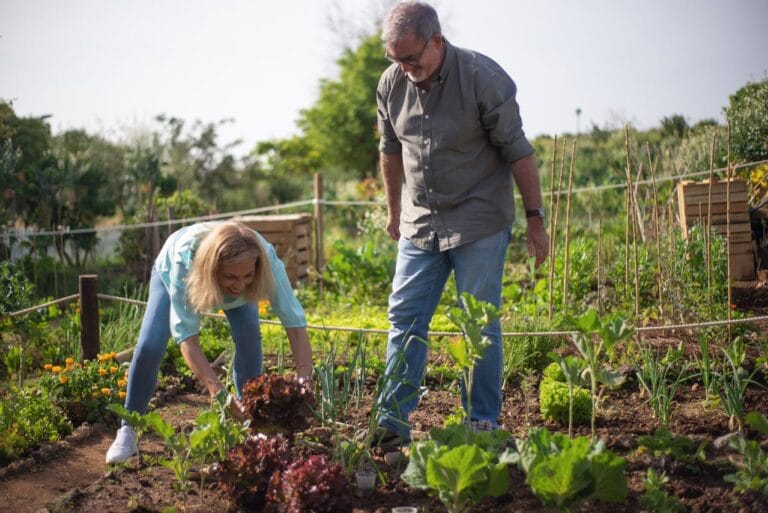
Introduction: The Growing Importance of Sustainable Gardening
Sustainable gardening is becoming increasingly essential as the global focus shifts toward reducing environmental impact and fostering greener living spaces. By adopting eco-friendly gardening practices, you not only contribute to environmental conservation but also promote healthier living environments. On Digistudlab.in, we provide practical insights and strategies to help you cultivate a thriving, sustainable garden that benefits both your household and the planet.
This guide covers key tips for sustainable gardening, from composting and water conservation to creating wildlife-friendly spaces. Whether you have a backyard, balcony, or community plot, these tips can be applied to gardens of all sizes, ensuring that sustainable practices are accessible to everyone.
1. Compost and Mulch Regularly
Composting is a cornerstone of sustainable gardening. By recycling organic waste into nutrient-rich compost, you improve soil health, reduce landfill contributions, and minimize the need for chemical fertilizers.
Steps for Effective Composting:
- Layer green materials (vegetable scraps, coffee grounds) with brown materials (dry leaves, shredded paper) for balanced compost.
- Turn the compost regularly to ensure proper aeration and speed up decomposition.
- Keep the compost damp but not overly wet to encourage microbial activity.
Mulching further enhances soil quality by retaining moisture, regulating temperature, and suppressing weeds. Organic mulches, such as wood chips or straw, gradually break down, enriching the soil over time.
2. Collect and Reuse Rainwater
Water conservation is crucial in sustainable gardening. Capturing rainwater not only lowers your water bill but also reduces reliance on local water systems, supporting sustainable resource use.
Simple Rainwater Collection Methods:
- Install rain barrels beneath gutter downspouts to capture runoff.
- Use permeable surfaces in your garden to direct rainwater to plant beds.
- Incorporate drip irrigation systems to distribute collected water directly to plant roots.
3. Choose Native and Drought-Resistant Plants
Selecting plants that thrive in your local climate minimizes water usage and reduces the need for chemical pesticides. Native plants are naturally adapted to their environment, making them easier to maintain and more resilient to pests and diseases.
Examples of Drought-Tolerant Plants:
- Lavender
- Succulents (such as agave and aloe)
- Coneflower
- Yarrow
Integrating native and drought-tolerant plants promotes biodiversity and creates a balanced, low-maintenance garden.
4. Avoid Chemical Pesticides and Fertilizers
Chemical pesticides and fertilizers can harm beneficial insects, leach into groundwater, and degrade soil quality over time. Organic alternatives protect the environment while nurturing healthier, more productive gardens.
Organic Pest and Fertilizer Options:
- Use neem oil or insecticidal soap to manage pests.
- Apply compost tea as a natural, nutrient-rich fertilizer.
- Encourage beneficial insects, such as ladybugs and lacewings, to naturally control pest populations.
By fostering biodiversity, you reduce the need for chemical interventions and support a more self-sustaining garden ecosystem.
5. Plant Cover Crops
Cover crops improve soil fertility, prevent erosion, and suppress weeds. These plants enrich the soil by adding organic matter and fixing nitrogen, reducing the need for synthetic fertilizers.
Popular Cover Crops:
- Clover
- Vetch
- Rye
- Buckwheat
Plant cover crops during off-seasons to maintain soil health and prepare your garden for the next planting cycle.
6. Practice Crop Rotation
Rotating crops each season prevents nutrient depletion and disrupts pest life cycles, promoting long-term soil health.
Basic Crop Rotation Plan:
- Year 1: Leafy greens (lettuce, spinach)
- Year 2: Root vegetables (carrots, radishes)
- Year 3: Legumes (peas, beans)
- Year 4: Fruiting plants (tomatoes, peppers)
Crop rotation enhances yields and reduces the likelihood of soil-borne diseases.
7. Create Wildlife Habitats
Gardens that attract wildlife contribute to biodiversity and ecological balance. Birds, bees, and butterflies play essential roles in pollination and pest control.
Ways to Support Wildlife:
- Plant flowering species that bloom throughout the year.
- Provide fresh water sources, such as birdbaths or small ponds.
- Install birdhouses, bee hotels, and log piles for shelter.
Encouraging wildlife helps sustain your garden while benefiting local ecosystems.
8. Use Recycled and Upcycled Materials
Incorporating recycled materials into your garden reduces waste and adds creative flair to your space. Repurposing items such as pallets, tires, and old containers minimizes environmental impact.
Creative Upcycling Ideas:
- Convert old pallets into vertical gardens.
- Use worn-out tires as planters.
- Repurpose glass jars as lanterns or cloches for young plants.
These projects contribute to the circular economy by giving discarded materials new life.
9. Embrace No-Dig Gardening
No-dig gardening preserves soil structure, protects beneficial organisms, and minimizes labor. This method relies on layering organic materials directly over the soil.
How to Start No-Dig Gardening:
- Lay cardboard or newspaper over weedy areas.
- Add compost, mulch, or straw in thick layers.
- Plant directly into the prepared layer.
No-dig gardening simplifies garden maintenance while enhancing soil fertility.
10. Share and Swap Plants Locally
Community-based gardening strengthens relationships and promotes sustainability. By sharing plants, seeds, and produce, you minimize waste and reduce reliance on commercial horticulture.
Get Involved:
- Join local gardening groups.
- Organize neighborhood plant swaps.
- Share surplus harvests with friends or community members.
Building a gardening network fosters knowledge exchange and supports long-term sustainable practices.
Conclusion
Sustainable gardening not only benefits the environment but also enhances personal well-being and strengthens community ties. By implementing these practical tips, you create a resilient, thriving garden that aligns with broader environmental goals.
Explore more resources and gardening insights at Digistudlab.in to deepen your journey into sustainable gardening.