Introduction: Why Eco-Friendly Homes Matter
Creating an eco-friendly home is one of the most impactful ways to contribute to sustainability while lowering your overall living expenses. As energy costs rise and awareness of climate change grows, homeowners are exploring cost-effective ways to reduce their carbon footprint. On Digistudlab.in, we offer practical and affordable solutions to make your home more environmentally friendly without stretching your budget.
This guide delves into sustainable home designs, affordable materials, and energy-efficient appliances, ensuring your shift to an eco-conscious lifestyle is seamless and budget-friendly. Beyond financial savings, eco-friendly homes promote healthier indoor environments by minimizing pollutants and encouraging natural ventilation. Living sustainably not only enhances your home’s value but also fosters well-being by creating cleaner, greener living spaces. As governments and local authorities introduce incentives for sustainable living, adopting eco-friendly practices becomes an investment in both your future and the planet.
Understanding Eco-Friendly Home Designs
Eco-friendly home design focuses on reducing energy consumption, maximizing resource efficiency, and limiting waste. A well-designed sustainable home utilizes natural light, airflow, and renewable materials to create spaces that are both functional and environmentally conscious. Incorporating smart technologies, such as automated lighting and climate control systems, further optimizes energy use and enhances convenience.
Key Features of an Eco-Friendly Home:
- Passive Solar Design: Harnesses sunlight for heating and cooling, reducing dependence on artificial temperature control. South-facing windows, thermal mass walls, and overhangs help regulate indoor temperatures by storing heat during winter and blocking excess sunlight in summer.
- Natural Ventilation: Strategically placed windows, vents, and open floor plans encourage airflow, minimizing the need for air conditioning. Skylights and clerestory windows enhance daylight while maintaining ventilation.
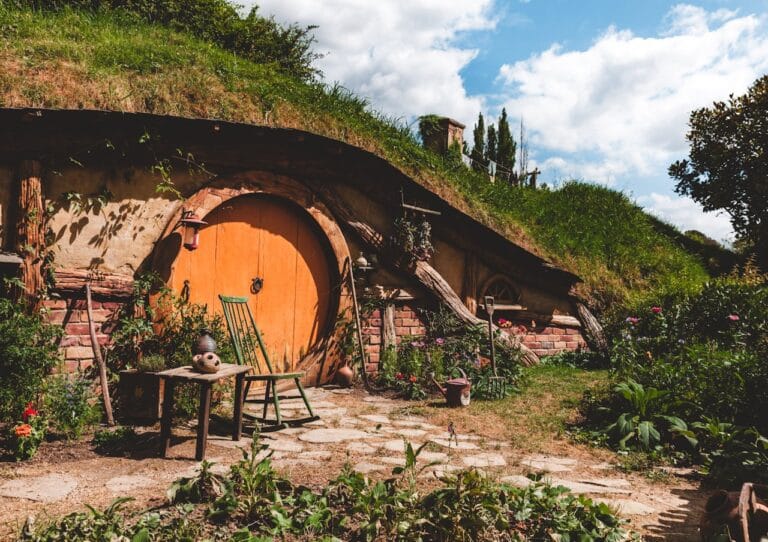
- Green Roofs and Walls: Vegetation-covered surfaces provide insulation, absorb rainwater, and improve air quality. Green roofs lower heat retention, reducing energy costs during summer and offering soundproofing benefits.
- Sustainable Landscaping: By using native plants, drought-resistant vegetation, and rainwater harvesting systems, homeowners reduce water consumption. Xeriscaping eliminates the need for irrigation, while vertical gardens maximize greenery in limited spaces.
- High-Performance Windows: Double or triple-glazed windows with low-E coatings improve insulation, reducing energy loss. High-performance windows enhance comfort by maintaining stable indoor temperatures year-round.
- Recycled or Reclaimed Building Materials: Repurposed brick, wood, and metal add character while reducing waste. Salvaged materials reduce the demand for virgin resources and lower environmental impact.
These elements not only enhance environmental sustainability but also result in long-term savings through lower energy and maintenance costs. Additionally, they create healthier indoor environments by limiting exposure to hazardous materials, contributing to overall well-being.
Affordable Ways to Incorporate Sustainable Materials
Contrary to popular belief, sustainable building materials can be budget-friendly. Many affordable options help reduce environmental impact without escalating costs. Government rebates and financial incentives for green renovations further offset expenses.
Cost-Effective Sustainable Materials:
- Reclaimed Wood: Ideal for flooring, paneling, and furniture, reclaimed wood adds character and warmth to interiors. It is often salvaged from old buildings, barns, and shipping containers, reducing deforestation.
- Bamboo: A fast-growing, renewable resource, bamboo is durable and perfect for flooring, cabinetry, and décor. Its quick maturity rate makes it an eco-conscious alternative to traditional hardwood.
- Recycled Metal and Glass: Durable and versatile, recycled glass tiles and metal sheets are ideal for countertops, backsplashes, and roofing. These materials reduce landfill waste and add unique aesthetic appeal.
- Cork: Harvested from tree bark, cork is naturally insulating, anti-microbial, and sound-absorbent, making it an excellent flooring material. Cork’s regenerative properties allow for repeated harvesting without harming the tree.
- Hempcrete: Made from hemp fibers, lime, and water, hempcrete provides superior insulation, mold resistance, and fireproof qualities. It is lightweight, carbon-negative, and ideal for walls and flooring.
- Recycled Plastic: From decking to tiles, recycled plastic is becoming a common, low-cost material for construction. It diverts plastic waste from landfills and offers a durable, weather-resistant solution for outdoor projects.
Locally sourcing materials and shopping from salvage yards or online marketplaces further reduce costs and support the circular economy. By repurposing and recycling, homeowners actively contribute to waste reduction and sustainability.
Energy-Efficient Appliances: A Buyer’s Guide
Energy-efficient appliances play a pivotal role in eco-friendly homes. They minimize energy consumption, lower carbon emissions, and lead to substantial long-term savings. Modern appliances incorporate smart technology that allows users to monitor and adjust energy use remotely.
Essential Energy-Efficient Appliances:
- LED Lighting: Consumes up to 80% less energy and lasts 25 times longer than traditional bulbs. LEDs are now available in various colors and brightness levels, enhancing ambiance while saving energy.
- Smart Thermostats: Regulate heating and cooling by learning user habits and adjusting accordingly. They reduce energy use by optimizing temperature settings based on occupancy.
- Energy Star Rated Appliances: Designed for optimal energy and water efficiency, these appliances include refrigerators, washers, and dishwashers. The Energy Star label ensures products meet strict efficiency guidelines.
- Induction Cooktops: Heat food faster by directly warming cookware through magnetic fields, minimizing heat loss. Induction stoves are safer, more precise, and more energy-efficient than traditional gas or electric models.
- Solar Water Heaters: Use sunlight to heat water, reducing electricity dependence. These systems work year-round and provide a return on investment through significant energy savings.
- High-Efficiency Washers and Dryers: Use advanced technology to reduce water consumption and drying times. Many high-efficiency models include moisture sensors to prevent over-drying.
For in-depth appliance reviews and cost-saving tips, visit Digistudylab.in.
Small Changes That Make a Big Difference
Transforming your home doesn’t require large financial investments. Simple, low-cost upgrades and habits can generate significant environmental and economic benefits over time.
Simple Eco-Friendly Upgrades:
- Install Low-Flow Fixtures: Reduces water consumption by 30-50% in sinks and showers.
- Seal Windows and Doors: Prevents heat escape, cutting heating and cooling costs.
- Use Eco-Friendly Cleaning Products: Minimizes chemical exposure and plastic use.
- Add Rain Barrels: Collects and stores rainwater for irrigation, conserving tap water.
- Compost Organic Waste: Diverts food scraps from landfills and enriches garden soil.
- Switch to Solar Outdoor Lights: Provides sustainable, low-cost illumination for gardens and pathways.
Conclusion
Building an eco-friendly home is accessible and achievable with the right strategies. By incorporating sustainable materials, investing in energy-efficient appliances, and embracing small but impactful changes, homeowners can reduce expenses while promoting environmental stewardship.
Explore more resources at Digistudylab.in to begin your journey towards a sustainable, cost-effective home.