In the rapidly advancing world of genetic science, a new breakthrough in CRISPR technology has opened up unprecedented possibilities. Researchers at Harvard University have unveiled a revolutionary CRISPR-Cas9 technique that allows for more precise and efficient editing of genetic material. This milestone holds the potential to transform treatments for genetic disorders, making it feasible to correct mutations with unparalleled accuracy. The implications of this research extend far beyond medicine, promising advancements in agriculture, biotechnology, and environmental science. In this comprehensive blog post, we delve into the details of this groundbreaking technique, its applications, and its far-reaching impact on various fields.
Understanding CRISPR-Cas9
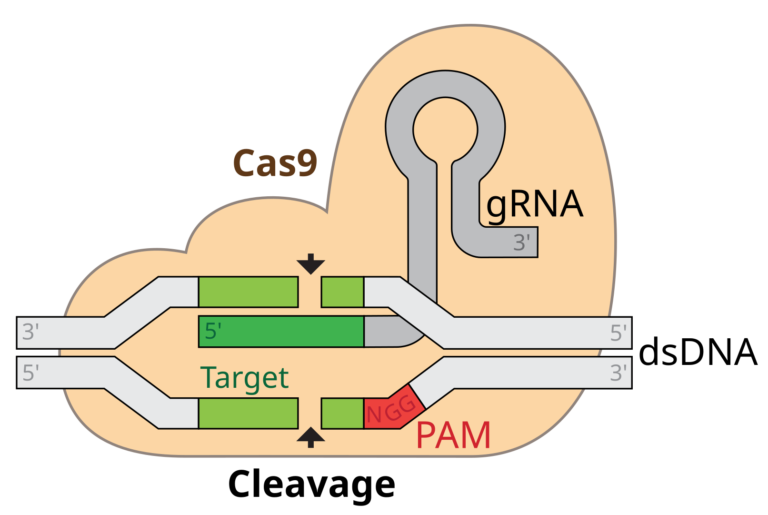
CRISPR-Cas9, which stands for Clustered Regularly Interspaced Short Palindromic Repeats and CRISPR-associated protein 9, is a powerful tool for editing genomes. It allows scientists to alter DNA sequences and modify gene function. The system consists of two key components: the Cas9 enzyme, which acts as molecular scissors to cut the DNA, and a guide RNA (gRNA) that directs Cas9 to the specific location in the genome where the cut is to be made. This enables researchers to target and edit specific genes with high precision.
The New CRISPR-Cas9 Technique
The latest development in CRISPR technology enhances the precision and efficiency of gene editing. This new method employs a modified version of the Cas9 enzyme, which minimizes off-target effects and improves the accuracy of gene edits. Researchers have also developed advanced techniques for delivering the CRISPR components into cells, ensuring higher success rates and reduced risks of unintended mutations.
Applications in Medicine
- Treatment of Genetic Disorders: One of the most promising applications of this new CRISPR technique is in the treatment of genetic disorders. Diseases caused by single-gene mutations, such as cystic fibrosis, muscular dystrophy, and sickle cell anemia, could potentially be cured by correcting the faulty genes. Clinical trials are already underway to test the safety and efficacy of CRISPR-based therapies for these conditions.
- Cancer Therapy: CRISPR technology is being explored as a tool for developing new cancer treatments. By targeting and disabling specific genes that drive cancer growth, researchers can develop therapies that are more precise and less harmful to healthy cells. This approach could lead to more effective treatments with fewer side effects.
- Infectious Diseases: CRISPR can also be used to develop treatments for infectious diseases. For example, researchers are investigating the use of CRISPR to target and destroy the genetic material of viruses such as HIV and hepatitis B. This could provide a cure for infections that currently have no effective treatment.
- Personalized Medicine: The ability to edit genes with high precision opens the door to personalized medicine. By tailoring treatments to an individual’s genetic makeup, healthcare providers can offer therapies that are more effective and have fewer side effects. This approach holds great promise for conditions like cancer, where genetic variations can significantly impact treatment outcomes.
Agricultural Innovations
- Crop Improvement: CRISPR technology can be used to enhance crop yields, improve resistance to pests and diseases, and increase tolerance to environmental stressors such as drought and salinity. By editing the genes responsible for these traits, scientists can develop crops that are more resilient and productive, addressing the challenges of food security in a changing climate.
- Nutritional Enhancement: Gene editing can also be used to improve the nutritional content of crops. For instance, researchers are working on developing rice varieties with higher levels of essential vitamins and minerals, which can help combat malnutrition in developing countries.
- Sustainable Agriculture: By reducing the need for chemical pesticides and fertilizers, CRISPR technology can contribute to more sustainable agricultural practices. Crops engineered to resist pests and diseases require fewer chemical inputs, which can lead to lower environmental impact and reduced costs for farmers.
Environmental Applications
- Conservation Genetics: CRISPR technology can aid in the conservation of endangered species by addressing genetic factors that threaten their survival. For example, gene editing can be used to enhance the genetic diversity of small populations, making them more resilient to environmental changes and diseases.
- Invasive Species Control: Invasive species can cause significant damage to ecosystems by outcompeting native species and disrupting ecological balance. CRISPR can be used to develop strategies for controlling invasive species, such as gene drives that spread genetic modifications through populations to reduce their impact.
- Pollution Mitigation: Researchers are exploring the use of gene editing to develop organisms that can break down pollutants and toxins in the environment. This approach could provide innovative solutions for cleaning up contaminated sites and reducing the impact of industrial activities on ecosystems.
Ethical Considerations
The advancements in CRISPR technology bring with them important ethical considerations. As with any powerful tool, the potential for misuse exists, and it is crucial to establish guidelines and regulations to ensure responsible use of gene editing. Key ethical issues include:
- Germline Editing: Editing the genes of human embryos raises significant ethical concerns, as changes made to the germline can be passed on to future generations. While germline editing holds the promise of eradicating genetic diseases, it also poses risks and ethical dilemmas regarding consent, safety, and potential unintended consequences.
- Equity and Access: Ensuring equitable access to CRISPR-based therapies is another critical issue. The high cost of developing and administering gene-editing treatments could create disparities in access to healthcare. Efforts must be made to make these advancements accessible to all, regardless of socioeconomic status.
- Biodiversity and Ecosystem Impact: The use of gene editing in agriculture and environmental conservation must be carefully managed to prevent unintended impacts on biodiversity and ecosystems. Ensuring that modified organisms do not disrupt ecological balance is essential for maintaining the health of our planet.
Future Directions
The future of CRISPR technology is incredibly promising, with ongoing research continually pushing the boundaries of what is possible. Here are some areas where CRISPR is expected to have a significant impact in the coming years:
- Advanced Therapeutics: As researchers continue to refine CRISPR techniques, we can expect the development of more sophisticated therapies for a wider range of diseases. Combining CRISPR with other emerging technologies, such as artificial intelligence and nanotechnology, could lead to breakthroughs in precision medicine and regenerative therapies.
- Synthetic Biology: CRISPR is a powerful tool for synthetic biology, which involves designing and constructing new biological parts and systems. This field holds the potential to create new materials, biofuels, and industrial processes that are more efficient and sustainable.
- Human Enhancement: The ethical and societal implications of using CRISPR for human enhancement—such as improving physical and cognitive abilities—will likely be a topic of intense debate. While the potential benefits are significant, careful consideration must be given to the ethical, social, and legal implications.
- Global Collaboration: Addressing the complex challenges of gene editing will require global collaboration and dialogue. International cooperation in research, regulation, and ethical considerations will be essential to harness the full potential of CRISPR technology while ensuring its responsible use.
Deep Dive into CRISPR Technology
To fully appreciate the significance of this CRISPR breakthrough, let’s delve deeper into the technology, its mechanisms, and its broader implications.
How CRISPR-Cas9 Works
CRISPR-Cas9 operates like a pair of high-precision molecular scissors, cutting DNA at specific locations to allow for targeted genetic modifications. The process begins with the identification of a specific DNA sequence that needs to be altered. The guide RNA (gRNA) is designed to match this target sequence, ensuring that the Cas9 enzyme is directed to the correct location in the genome.
Once the Cas9 enzyme, guided by the gRNA, binds to the target DNA, it creates a double-strand break in the DNA. The cell’s natural repair mechanisms then come into play, either by non-homologous end joining (NHEJ), which often results in small insertions or deletions, or by homology-directed repair (HDR), which can be used to introduce precise genetic changes using a repair template.
Enhancements in the New CRISPR-Cas9 Technique
The new CRISPR-Cas9 technique introduced by Harvard researchers incorporates several enhancements:
- Improved Accuracy: The modified Cas9 enzyme reduces off-target effects, ensuring that genetic edits are made only at the intended locations. This minimizes the risk of unintended mutations that could have harmful consequences.
- Enhanced Delivery Methods: Advanced techniques for delivering CRISPR components into cells increase the efficiency and success rate of gene editing. These methods include viral vectors, lipid nanoparticles, and electroporation, each optimized for different types of cells and tissues.
- Multiplexing Capabilities: The new technique allows for simultaneous editing of multiple genes, enabling complex genetic modifications in a single step. This is particularly useful for studying gene interactions and developing multifaceted therapies.
Broader Implications of CRISPR Technology
Human Health and Disease
CRISPR technology holds the promise of transforming healthcare by providing new ways to treat and prevent diseases. Here are some areas where CRISPR is making a significant impact:
- Gene Therapy: By correcting genetic mutations at their source, CRISPR offers a potential cure for a wide range of genetic disorders. Clinical trials are currently exploring CRISPR-based treatments for conditions such as beta-thalassemia, Duchenne muscular dystrophy, and Leber’s congenital amaurosis, a form of inherited blindness.
- Cancer Research: CRISPR is being used to study the genetic underpinnings of cancer, identify new drug targets, and develop novel therapies. For example, researchers are using CRISPR to create cancer cell models that mimic human tumors, allowing for more accurate testing of potential treatments.
- Regenerative Medicine: CRISPR can be used to edit stem cells, enabling the development of therapies that regenerate damaged tissues and organs. This approach holds promise for treating conditions such as spinal cord injuries, heart disease, and diabetes.
Agriculture and Food Security
CRISPR technology is revolutionizing agriculture by enabling the development of crops that are more resilient, nutritious, and sustainable. Here are some key applications:
- Disease Resistance: CRISPR can be used to engineer crops that are resistant to diseases caused by fungi, bacteria, and viruses. This reduces the need for chemical pesticides and increases crop yields.
- Climate Resilience: By editing genes that control plant responses to environmental stressors, scientists can develop crops that are more tolerant to drought, heat, and salinity. This is crucial for maintaining food security in the face of climate change.
- Nutritional Enhancement: CRISPR is being used to increase the nutritional content of staple crops. For example, researchers have developed rice varieties with higher levels of beta-carotene (a precursor to vitamin A) to combat vitamin A deficiency in developing countries.
Environmental Conservation
CRISPR technology offers innovative solutions for addressing environmental challenges and preserving biodiversity. Here are some notable applications:
- Wildlife Conservation: Gene editing can be used to enhance the genetic diversity of endangered species, increasing their resilience to environmental changes and diseases. This approach is being explored for species such as the black-footed ferret and the Hawaiian crow.
- Ecosystem Restoration: CRISPR can help control invasive species that threaten native ecosystems. For instance, gene drives—a technology that promotes the inheritance of specific genetic traits—are being developed to reduce populations of invasive rodents on islands.
- Bioremediation: Researchers are using CRISPR to engineer microorganisms that can break down pollutants and toxins in the environment. This approach holds promise for cleaning up oil spills, plastic waste, and heavy metal contamination.
Ethical and Social Considerations
The rapid advancement of CRISPR technology brings with it significant ethical and social considerations. It is essential to address these issues to ensure the responsible use of gene editing:
- Regulatory Frameworks: Developing comprehensive regulatory frameworks is crucial for overseeing the use of CRISPR technology. These frameworks should ensure that gene editing is conducted safely, ethically, and transparently.
- Public Engagement: Engaging with the public and fostering dialogue about the potential benefits and risks of CRISPR is essential. This can help build trust, address concerns, and ensure that the technology is developed in a socially responsible manner.
- Equity and Accessibility: Ensuring that the benefits of CRISPR technology are accessible to all is a key ethical consideration. Efforts must be made to prevent disparities in access to gene editing therapies and to address the needs of underserved populations.
- Long-term Implications: The long-term implications of gene editing must be carefully considered. This includes assessing the potential impact on future generations and the environment, as well as addressing issues related to genetic privacy and data security.
Resources for Further Reading
To continue your exploration of CRISPR technology and its applications, we recommend the following resources:
- Books:
- “The Code Breaker: Jennifer Doudna, Gene Editing, and the Future of the Human Race” by Walter Isaacson
- “CRISPR People: The Science and Ethics of Editing Humans” by Henry T. Greely
- Research Papers:
- “A programmable dual-RNA–guided DNA endonuclease in adaptive bacterial immunity” by Jennifer A. Doudna and Emmanuelle Charpentier
- “Base editing: precision chemistry on the genome and transcriptome of living cells” by David R. Liu and Alexis Komor
- Websites:
- The Broad Institute’s CRISPR Resources (broadinstitute.org)
- The Innovative Genomics Institute (innovativegenomics.org)
- Online Courses:
- “CRISPR: Gene-editing Applications” on Coursera
- “The Science of Stem Cells” by the American Museum of Natural History on Khan Academy
By engaging with these resources, you can deepen your understanding of CRISPR technology and its potential to revolutionize various fields. Stay informed and stay curious as we continue to explore the frontiers of genetic science at Digi Study Lab.in.
Remember, the future of gene editing is unfolding before our eyes, and your engagement and awareness are crucial in shaping its direction. Together, we can navigate the ethical, social, and scientific challenges to harness the full potential of CRISPR for the betterment of humanity and our planet.
Staying Informed
As CRISPR technology continues to evolve, staying informed about the latest developments is crucial. At Digi Study Lab.in, we are committed to providing you with up-to-date information and insights into this transformative field. Explore our resources on genetic engineering, biotechnology, and emerging scientific advancements to deepen your understanding and stay ahead of the curve.
Conclusion
The revolutionary CRISPR-Cas9 technique developed by researchers at Harvard University marks a significant milestone in genetic science. This breakthrough offers unprecedented precision and efficiency in gene editing, with the potential to transform medicine, agriculture, and environmental conservation. As we navigate the ethical and societal implications of this powerful technology, it is essential to ensure its responsible use for the benefit of all.
Stay tuned to Digi Study Lab.in for more updates on CRISPR technology and other cutting-edge scientific advancements.