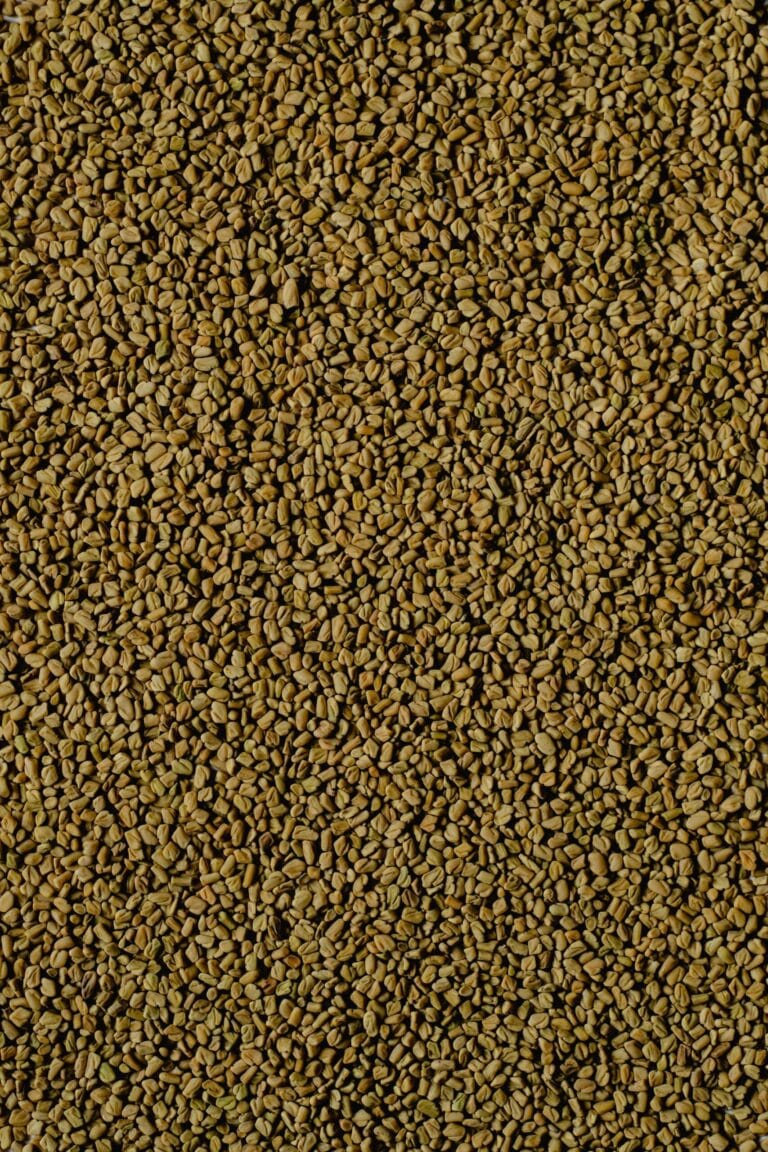
At Digi Study Lab.in, we’re always on the lookout for natural remedies that have stood the test of time. Fenugreek, a staple herb in traditional medicine, has been consumed for thousands of years. Yet, many people are still unaware of the numerous health benefits this small yet powerful seed provides. Today, we’ll delve deep into the wonders of Fenugreek and why you might consider adding it to your diet.
1. Digestive Health Booster:
Fenugreek seeds are rich in water-soluble fiber, which can help with digestion. They act as a natural laxative, providing relief from constipation. Moreover, the mucilage in the seeds soothes gastrointestinal inflammation by coating the lining of the stomach and intestines.
2. Natural Anti-inflammatory:
Thanks to its high saponin content, fenugreek offers anti-inflammatory benefits. Traditionally, it has been used to treat arthritis, bronchitis, and other inflammation-related conditions.
3. Beneficial for Diabetics:
Several studies have shown that fenugreek seeds can be beneficial for people with diabetes. They contain an amino acid responsible for inducing the production of insulin. Regular consumption can reduce fasting blood sugar levels and improve glucose tolerance.
4. Boosts Testosterone and Enhances Male Libido:
Men might be interested to know that fenugreek has been linked to increased testosterone production and enhanced libido. Some research even suggests that it might play a role in improving sperm count.
5. Improves Skin Health:
The anti-inflammatory and antimicrobial properties of fenugreek make it a wonderful remedy for skin issues. It’s been traditionally used to treat burns, boils, and eczema. Fenugreek seed paste or fenugreek oil can also reduce signs of aging like wrinkles and fine lines.
6. Promotes Hair Health:
Many hair care products boast fenugreek as an ingredient, and for good reason! The seeds contain proteins and nicotinic acid that promote hair growth and combat dandruff. Using fenugreek paste as a mask can strengthen hair roots and reconstruct damaged hair follicles.
7. Supports Female Reproductive Health:
Diosgenin, a compound found in fenugreek, mimics the estrogen hormone. This can help combat symptoms of menopause such as mood disturbances, hot flashes, and anxiety. Furthermore, it has been used traditionally to promote milk flow in breastfeeding mothers.
How to Incorporate Fenugreek in Your Diet?
There are many ways to enjoy fenugreek:
- Sprouted Seeds: These can be added to salads.
- Fresh Leaves: Use them in curries or as a herb in various dishes.
- Powdered Form: This can be added to bread or used as a spice in cooking.
- Tea: Boiling the seeds in water creates a beneficial tea.
However, it’s essential to consult with a healthcare professional before making significant changes to your diet, especially if you are pregnant or nursing.
Conclusion:
Fenugreek is more than just a flavor enhancer in many dishes. Its myriad health benefits make it a must-have in every pantry. By incorporating this golden herb into your daily routine, you’re investing in a natural path to better health.
Discover more natural health wonders with Digi Study Lab.in, your hub for comprehensive and authentic information. Remember, nature often holds the keys to wellness, and with fenugreek, you’re unlocking a myriad of health treasures.
8. Heart Health Champion:
Cardiovascular health is of paramount importance, and fenugreek is a friend in this domain. The seeds are a good source of galactomannan, a soluble fiber that may help reduce the risk of heart disease. Moreover, fenugreek seeds contain potassium which counteracts the effect of sodium, helping in reducing blood pressure.
9. Assists in Weight Loss:
Looking for natural allies in your weight loss journey? Fenugreek can be your go-to. Its natural dietary fiber helps in suppressing the appetite by providing a feeling of fullness. A sprinkle of fenugreek powder in your soup or salad might aid in reducing food intake.
10. Strengthens Bone Health:
While often overlooked, fenugreek is also beneficial for bone health. It has minerals like calcium which play a pivotal role in maintaining bone structure and strength.
11. Natural Detoxifier:
Fenugreek is known for its detoxifying properties. Its fiber content aids in flushing out harmful toxins from the body, making it a great natural detoxifier.
12. Enhances Mood and Combats Stress:
With today’s hectic lifestyles, stress and mood fluctuations are common issues. Fenugreek seeds can be an unexpected remedy. They contain compounds that aid in the production of serotonin, a neurotransmitter responsible for mood regulation.
Safety and Precautions:
While fenugreek is largely safe for most people when consumed in moderation, it’s essential to be cautious:
- Medication Interference: Fenugreek might interfere with medications related to blood clotting, blood pressure, and diabetes.
- Allergic Reactions: Some people might be allergic to fenugreek, leading to symptoms like nasal congestion, coughing, facial swelling, and even severe allergic reactions.
Final Words:
From enhancing digestive wellness to boosting mood, fenugreek truly is a versatile herb that packs a powerful health punch. Whether you’re integrating it into your meals or seeking its therapeutic properties, this humble seed promises a host of benefits.
As with all health and nutritional information, it’s crucial to do thorough research and consult professionals. At Digi Study Lab.in, we’re dedicated to bringing you the most authentic and holistic information to guide you on your health journey. Dive deeper into the world of natural remedies with us and let nature be your guiding star.
Nutrition Facts of Fenugreek:
Understanding the nutritional components of fenugreek will shed light on why it’s such a prized herb in both culinary and medicinal circles. Here’s a closer look:
Vitamins:
Fenugreek seeds are a good source of several essential vitamins:
- Vitamin B6 (Pyridoxine): Vital for brain development and function. It also helps the body convert food into energy.
- Folic Acid: Crucial for proper brain function and plays a key role in mental and emotional health.
- Riboflavin: Assists in the body’s energy production.
Minerals:
The mineral content of fenugreek seeds is not to be overlooked:
- Iron: An essential component of hemoglobin that helps in oxygen transport from the lungs to the rest of the body.
- Manganese: Vital for proper nerve function and the formation of connective tissues.
- Magnesium: Assists in muscle function, bone development, and energy production.
- Copper: Important for making red blood cells and maintaining nerve cells.
Carbs:
Carbohydrates are the primary source of energy for the body. Fenugreek seeds provide a moderate amount of carbs, making them a sustainable source of energy. They offer around 6 grams of carbs per tablespoon, with most of it coming from its high fiber content.
Fiber:
Fiber plays a crucial role in digestive health, and fenugreek seeds are rich in this nutrient. With almost 3 grams of dietary fiber per tablespoon, fenugreek can be a significant contributor to your daily fiber intake. The soluble fiber, galactomannan, is especially beneficial in slowing down the absorption of sugar in the blood, making it a boon for diabetics.
Incorporating Fenugreek in Daily Diet:
Considering its rich nutritional profile, it’s easy to see why fenugreek can be an excellent addition to your meals. Whether used as a spice in curries, added to bread, or consumed as sprouts, it’s a versatile ingredient that can enhance both the flavor and health quotient of your dishes.
To Sum Up:
Fenugreek is more than a culinary delight; it’s a nutritional powerhouse. Its rich vitamin, mineral, carb, and fiber content make it a holistic food choice, beneficial for various bodily functions. As you embark on a journey to holistic health and well-being, let Digi Study Lab.in guide you with insights and information on nature’s best-kept secrets.