Published on Digi Study Lab.in
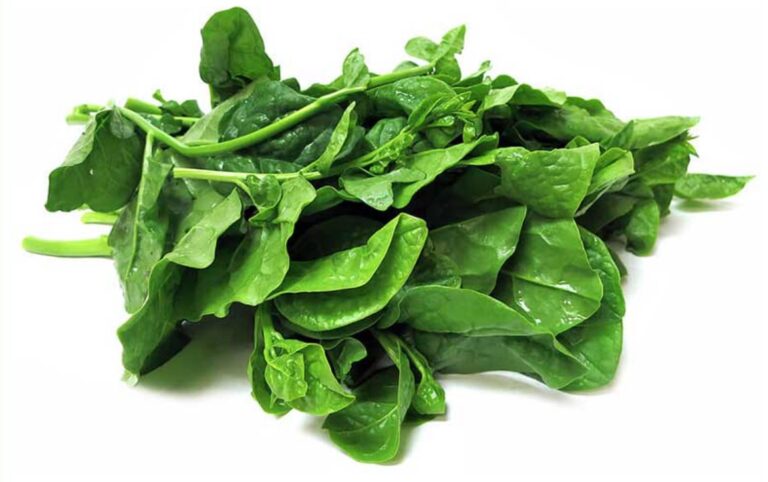
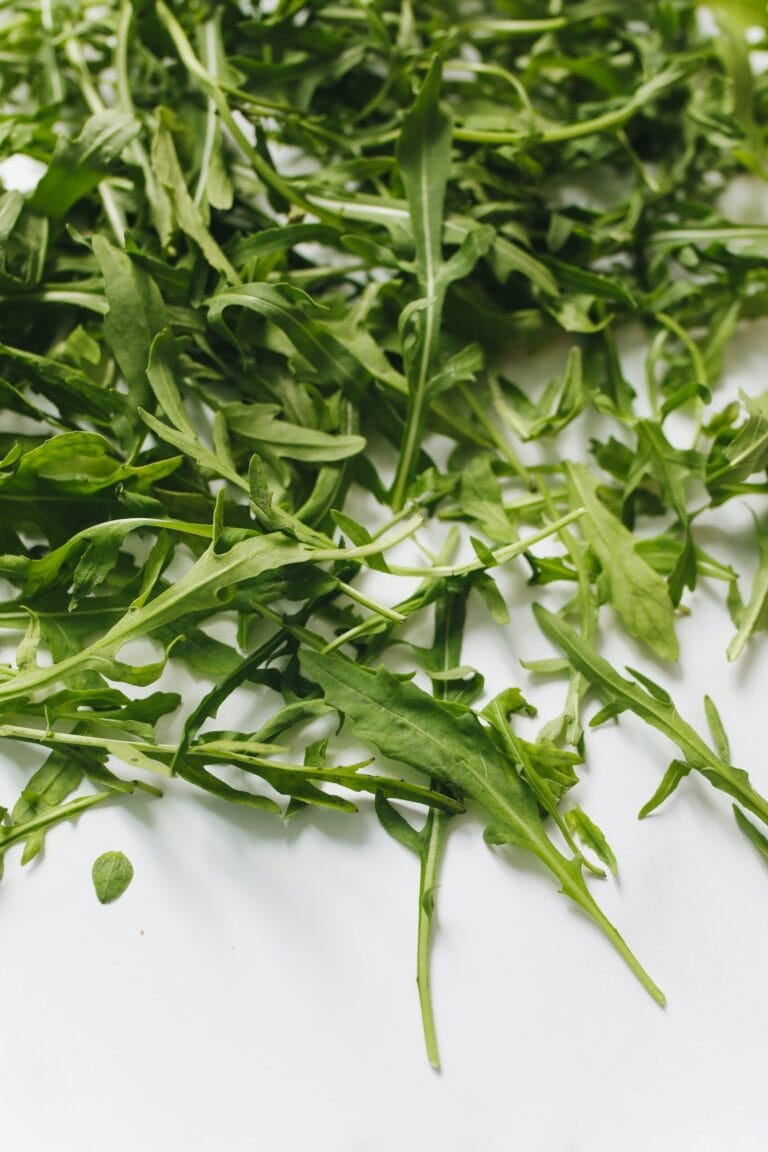
Mustard greens, the leafy treasures of the Brassica family, are often overshadowed by their popular siblings like kale and broccoli. However, when it comes to nutrition and health benefits, mustard greens stand tall and proud. If you’re on a journey to revamp your diet or simply seeking ways to boost your health, here’s why mustard greens deserve a spot on your plate.
1. Rich in Antioxidants:
Mustard greens are packed with vitamins A, C, and E – potent antioxidants that combat free radicals in the body. These antioxidants are essential in delaying the aging process, preventing diseases, and supporting skin health. Include them in your diet, and you’re taking a step towards radiant skin and a disease-free life.
2. Packed with Fiber:
Dietary fiber, which is abundant in mustard greens, is crucial for a well-functioning digestive system. It not only helps in easing constipation but also aids in maintaining a healthy weight and lowering the risk of diabetes.
3. A Great Source of Vitamin K:
One serving of mustard greens provides a whopping 384% of your daily vitamin K needs. This vitamin plays a crucial role in bone health and wound healing. By ensuring adequate intake, you’re promoting bone strength and reducing the risk of osteoporosis.
4. Boosts Detoxification:
Mustard greens support liver function, helping it detoxify the body. The presence of chlorophyll in the greens can neutralize toxins, thereby promoting a cleaner and more efficient bodily system.
5. Supports Heart Health:
High in both potassium and magnesium, mustard greens can help regulate blood pressure and prevent hypertension. The fiber, also present in mustard greens, lowers bad cholesterol, thus reducing the risk of heart diseases.
6. Promotes Eye Health:
The carotenoids – lutein and zeaxanthin – found in mustard greens protect your eyes from harmful high-energy light waves like ultraviolet rays. Regular consumption can reduce the risk of cataracts and age-related macular degeneration.
Incorporating Mustard Greens into Your Diet:
Adding mustard greens to your meals is easier than you might think. They can be steamed, sautéed, or added to smoothies and salads. The slightly peppery taste adds a zing to your dishes, making them flavorful and nutritious at the same time.
Conclusion:
The humble mustard greens, with their impressive range of health benefits, are a testament to the fact that sometimes, the most underrated foods can be the most beneficial. As you embark on your health journey, don’t forget to make room for these vibrant greens. Dive into the world of mustard greens, and give your health the natural boost it deserves.
For more health and nutrition insights, stay tuned to Digi Study Lab.in!
7. Immune System Supporter:
The rich vitamin C content in mustard greens not only acts as an antioxidant but also plays an essential role in boosting our immune system. Regular intake can enhance our body’s defense mechanism against common colds, flu, and other infections.
8. Anti-inflammatory Properties:
Chronic inflammation can be a precursor to several diseases. Mustard greens contain powerful phytonutrients that possess anti-inflammatory properties, helping in reducing the risk of diseases such as arthritis, asthma, and even some types of cancers.
9. Packed with Minerals:
Apart from the commonly known vitamins, mustard greens are a treasure trove of essential minerals. They offer a significant dose of calcium, iron, magnesium, and potassium. These minerals are pivotal for numerous bodily functions, including blood production, nerve function, and muscle activity.
10. Natural Mood Enhancer:
The folate present in mustard greens plays a crucial role in serotonin production. Serotonin, often referred to as the “feel-good” neurotransmitter, is vital for mood regulation. Including mustard greens in your diet might contribute to a positive mood and emotional well-being.
Cooking Tip for Mustard Greens:
While mustard greens can be eaten raw or cooked, it’s essential to avoid overcooking to preserve their nutritional value. Lightly steaming or sautéing with garlic and olive oil can enhance their flavor while retaining their health benefits.
Mustard Greens vs. Other Leafy Greens:
While all leafy greens offer a plethora of health benefits, mustard greens stand out for their unique peppery taste and robust nutritional profile. They are an excellent alternative to more common greens like spinach and kale, offering a different flavor palette and equal, if not more, nutritional punch.
Conclusion:
In the vast universe of leafy greens, mustard greens certainly shine with their myriad of health benefits. Whether you’re a health enthusiast or just someone trying to introduce more greens into their diet, these vibrant leaves are a must-add. With their blend of taste and nutrition, mustard greens are truly nature’s unsung superfood.
Continue your exploration into the world of health and nutrition with more articles from Digi Study Lab.in!
Nutrition Facts of Mustard Greens:
Before we dive deeper into the details, it’s beneficial to have an overarching view of what these wonderful greens pack. Here’s a concise breakdown of mustard greens’ nutrition, based on a 100g serving:
- Calories: 27
- Protein: 3g
- Total Fat: 0.4g
- Carbohydrates: 5.7g
- Fiber: 3.2g
- Sugars: 1.3g
Vitamins in Mustard Greens:
The vibrant hue and slightly bitter taste of mustard greens are indicative of its rich vitamin content. Here are some standout vitamins present:
- Vitamin K: Crucial for blood clotting and bone health.
- Vitamin C: Important for immune function, collagen synthesis, and antioxidant protection.
- Vitamin A: Essential for vision, growth, and immune function. Mustard greens contain both beta-carotene (a precursor to vitamin A) and active forms of this vitamin.
- Vitamin E: A fat-soluble antioxidant that protects your cells from oxidative damage.
- Folate (Vitamin B9): Vital for cell division and proper brain function.
Minerals Found in Mustard Greens:
When it comes to minerals, mustard greens don’t disappoint. They provide a rich source of:
- Calcium: Beyond bone health, calcium is essential for muscle function and nerve signaling.
- Iron: A vital component of hemoglobin, it aids in transporting oxygen throughout our body.
- Magnesium: Plays a role in over 300 enzymatic reactions in the body, including metabolism and protein synthesis.
- Potassium: Important for blood pressure regulation and heart health.
Carbs in Mustard Greens:
With just 5.7g of carbohydrates in a 100g serving, mustard greens are a low-carb food. Most of these carbs come from complex carbohydrates which are slow-digesting and provide sustained energy. Only a small fraction (1.3g) comes from natural sugars, making them a great addition to diets watching sugar intake.
Fiber Content:
The 3.2g of fiber per 100g serving in mustard greens aids in digestion, promotes satiety, and supports a healthy gut microbiome. Fiber is also instrumental in stabilizing blood sugar levels and reducing the risk of certain types of cancers.
Conclusion:
Mustard greens are not just a leafy side dish. Their dense nutritional profile makes them a powerhouse of health benefits. By understanding their nutritional facts, vitamins, minerals, carbohydrate content, and rich fiber density, it becomes evident that these greens are indispensable for those seeking a balanced and nutritious diet.
Continue your health-centric culinary journey with more enriching articles and insights on Digi Study Lab.in!